
How to Find the Perfect Rug
After years of working with interiors, rugs are one of the elements I get asked about most. With so many options available, it’s easy to feel overwhelmed. This guide brings together everything you need to know to make confident, informed choices when investing in a rug for your home.
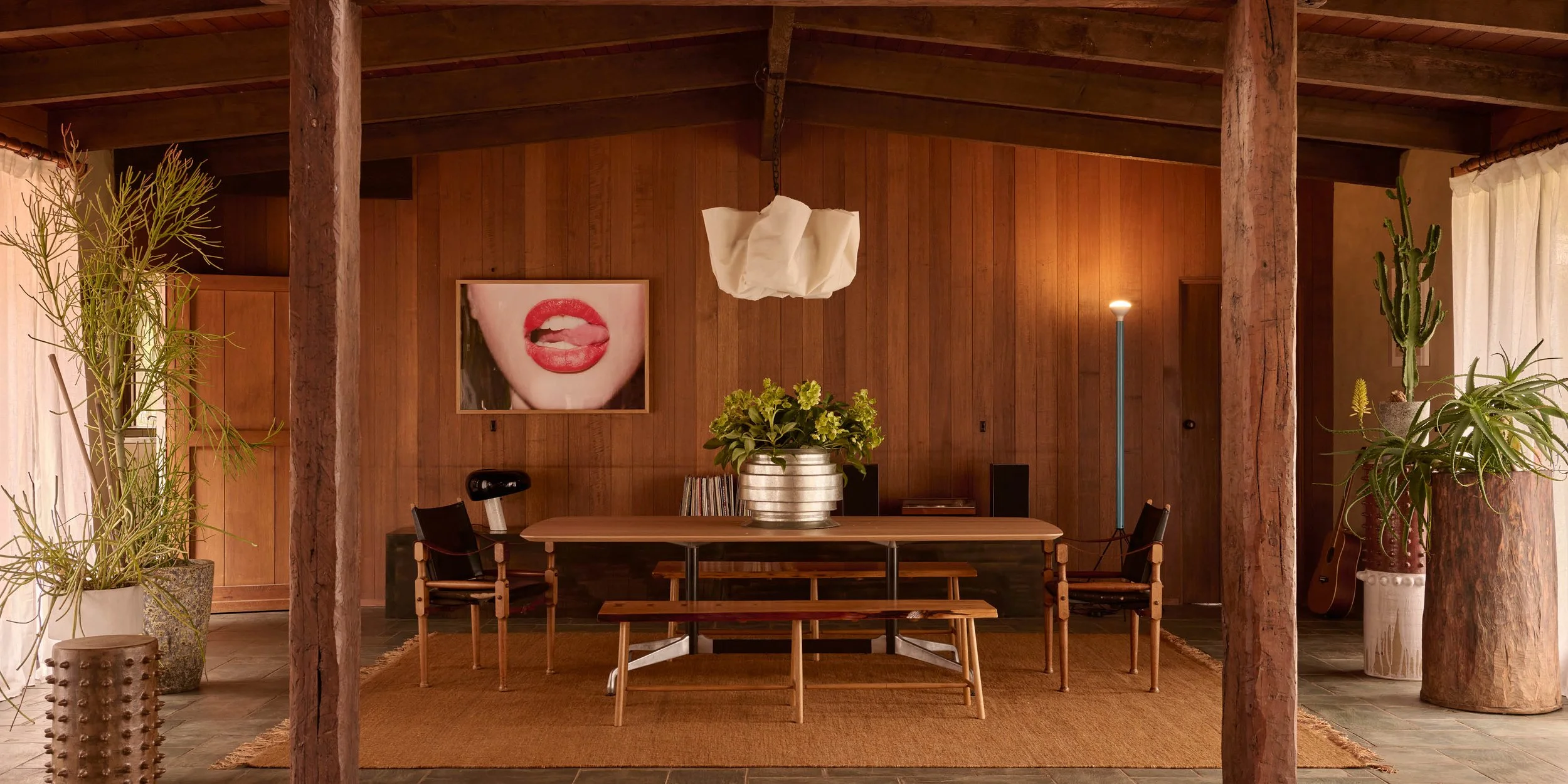
This rug anchors the seating area, ties the furniture together, and grounds the space with texture and color.
Photo from Designfiles// Photographer Eve Wilson
TABLE OF CONTENT:
Why Rugs Matter In Your Home
How to Choose the Perfect Rug Size (Room by Room)
Choosing the Right Rug Material
Rug Placement & Layout
Rug Style, Color & Harmony
Common Rug Mistakes (and How to Fix Them)
Where to Spend vs Save on Rugs
How to Care For Your Rug
Rugs are more important to rooms than many people think. A rug can act as an anchor between furniture. It can give rooms the extra softness, warmth, and texture they're missing. All in all, rugs are an easy way to change or “enhance” the space you already have, without having to embark on the daunting task of painting or renovating.
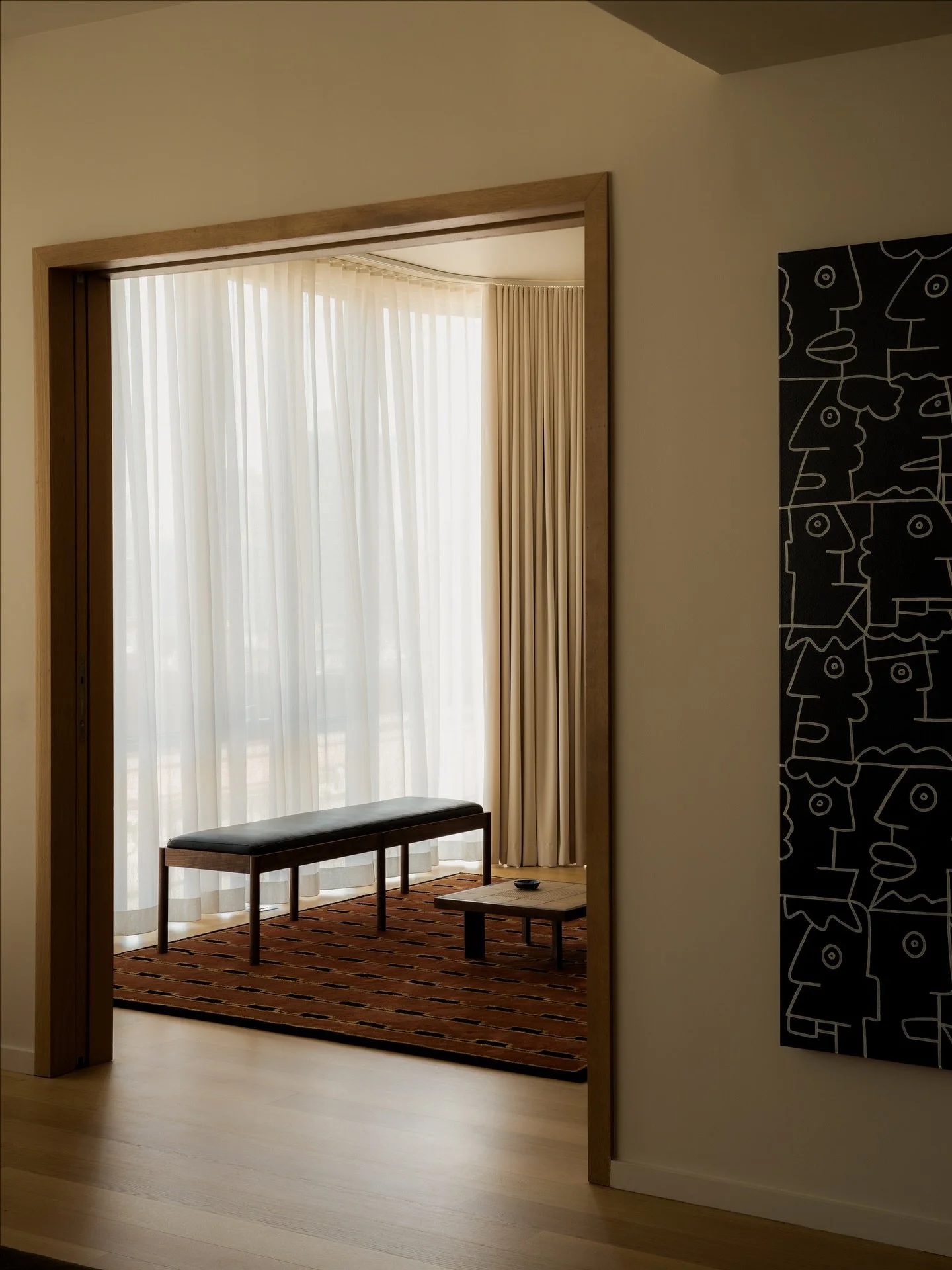
This rug instantly ties the room together, with its warm neutral tones and interesting pattern.
Photo from Nordic Knots// Photographer Matthew Kappas
1. WHY RUGS MATTER IN YOUR HOME
Anchoring
A rug binds all the furniture together, creating connection and harmony between pieces that would otherwise feel separate.
Zoning
If you have an open space, rugs are a great tool to create different zones and introduce division within the room. For example, dividing an entryway from the living room can make the transition feel more intentional, creating a landing zone before entering the rest of the house.
Warmth & Visual Interest
If you think your room looks cold and “uninviting”, a rug is a great way to add warmth and soften the overall feel. Texture and pattern can also add visual interest, giving your home more dimension.
Sound absorption
If you live in an apartment building or have an open floor plan. Rugs are a great addition for minimizing noise. Textiles naturally absorb sound, reducing echo and footstep noise, making the space more comfortable both for you, and the people around you.
How the room affects the rug choice
When choosing your rug, think about where and how it will be used. There's a significant difference between a rug chosen for a bedroom compared to one intended for a bathroom. Consider the key elements of that room: does it get wet, is it a high-traffic area, or will the furniture be moved frequently?
High vs low traffic areas
High-traffic areas experience frequent foot traffic, daily movement, and regular wear. In these spaces, choosing a rug with a tighter weave and durable materials significantly increases longevity.
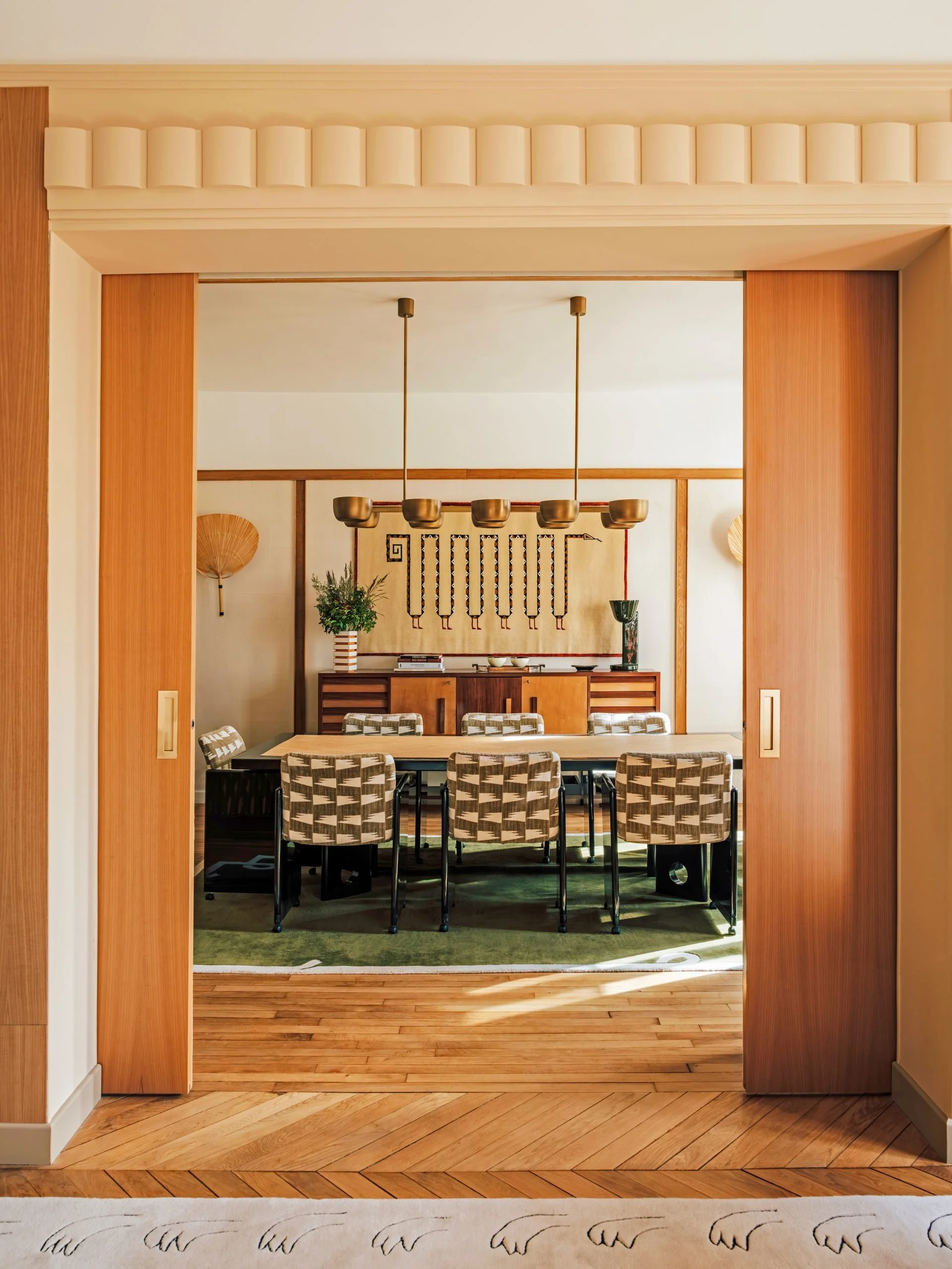
Perfectly sized rug to anchor a dining table while leaving room for chairs to move comfortably.
Photo from Elle.dk // Photographer Jèrome Galland
2. HOW TO CHOOSE THE PERFECT RUG SIZE
The number one mistake people make when buying a rug is choosing the wrong size. A rug should not be so small that it's unable to support the furniture placed on it. An undersized rug can make your room feel smaller and visually disconnected.
When in doubt, choosing a slightly larger rug almost always leads to a better result.
QUICK USE BY ROOM:
Dining room
Chairs should stay fully on the rug when pulled out.
Living room
Front legs of all seating should rest on the rug
Bedroom
Rug should extend beyond the bed to align with nightstands
Hallway/Entrance
Use a runner that doesn’t block doors or circulation
Pro tip: Use tape to measure rug dimensions on the floor before buying. This helps you visualize how the rug will look in your space.
If you want a full breakdown with room diagrams, read → How to Choose the Right Rug Size And Shape
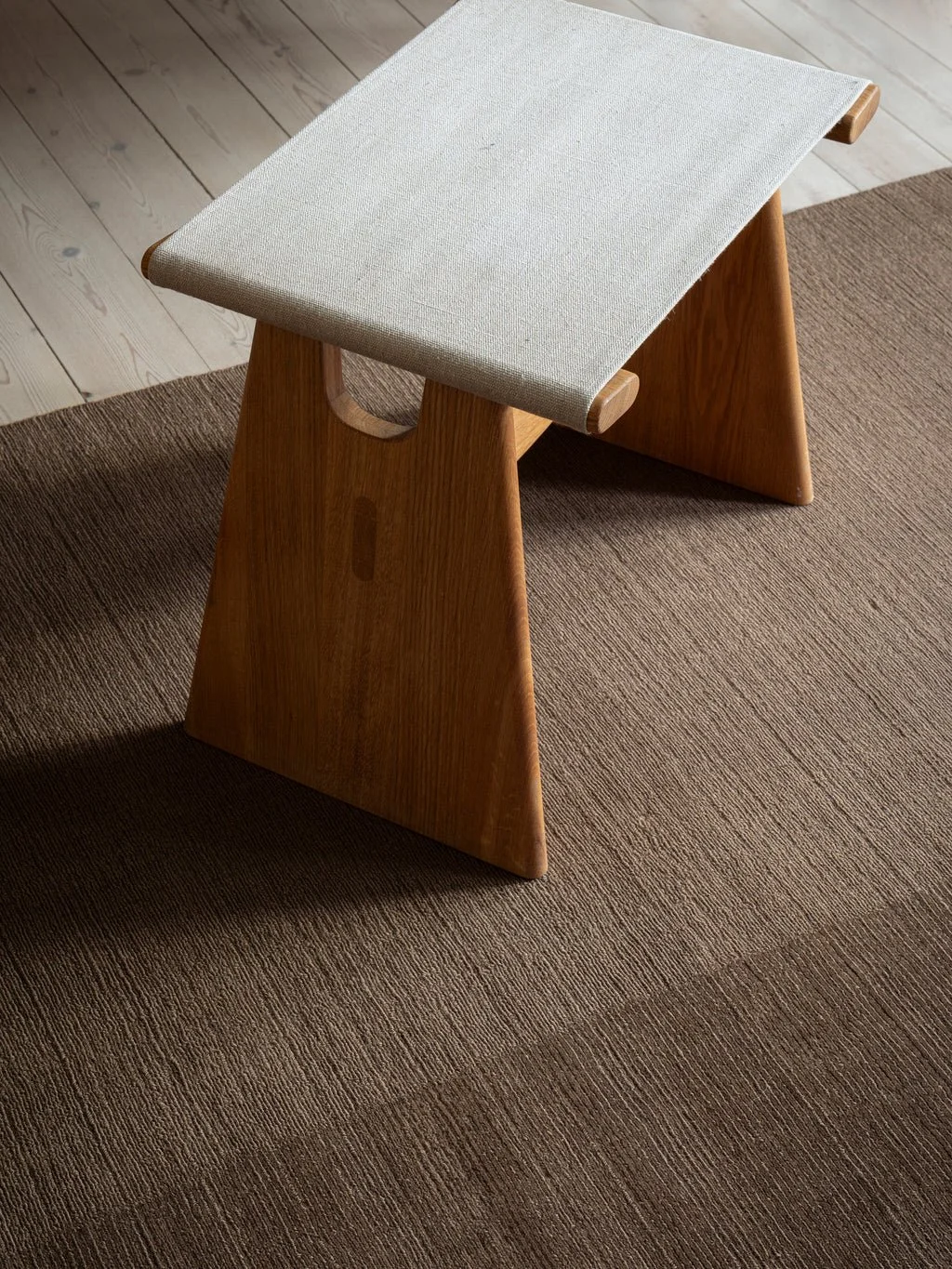
Wool rug texture showing natural fiber weave and pile density Image from Linie Design
3. CHOOSING THE RIGHT RUG MATERIAL
Best Rug Materials for Pets and Kids
Choosing the right rug material is about balancing aesthetics, function, and lifestyle— there is no single “best” material, only the best one for your specific needs.
Natural fibers
Wool, silk, jute, sisal, cotton
Durable and age gracefully
Higher upfront cost, longer lifespan
Best used for: living rooms, bed rooms, dining rooms.
Synthetic fibers
Nylon, polyester, polypropylene, acrylic
Easy to clean, moisture-resistant
Won’t age as well as natural fibers
Best used for: outdoors, kitchens, laundry room, kids rooms.
Blended materials
Combine durability and softness
Cotton + wool = good balance
Wool + viscose = avoid in high-traffic areas
How lifestyle affects material choice
Your lifestyle plays an important role in choosing the right rug material. Beyond how a rug looks, consider how the space is used day to day—how often you clean, whether shoes are worn indoors, and how much general wear the rug will be exposed to.
If your home sees a lot of daily activity, durability and easy maintenance become key. In these cases, flat-weave or low-pile rugs are often the most practical choice, as they don’t trap dirt, crumbs, or pet hair as easily. Wool and hard-wearing synthetic materials tend to perform well in high-use spaces.
Choosing a rug that aligns with how you live—not how you wish you lived—will always lead to a better long-term result.
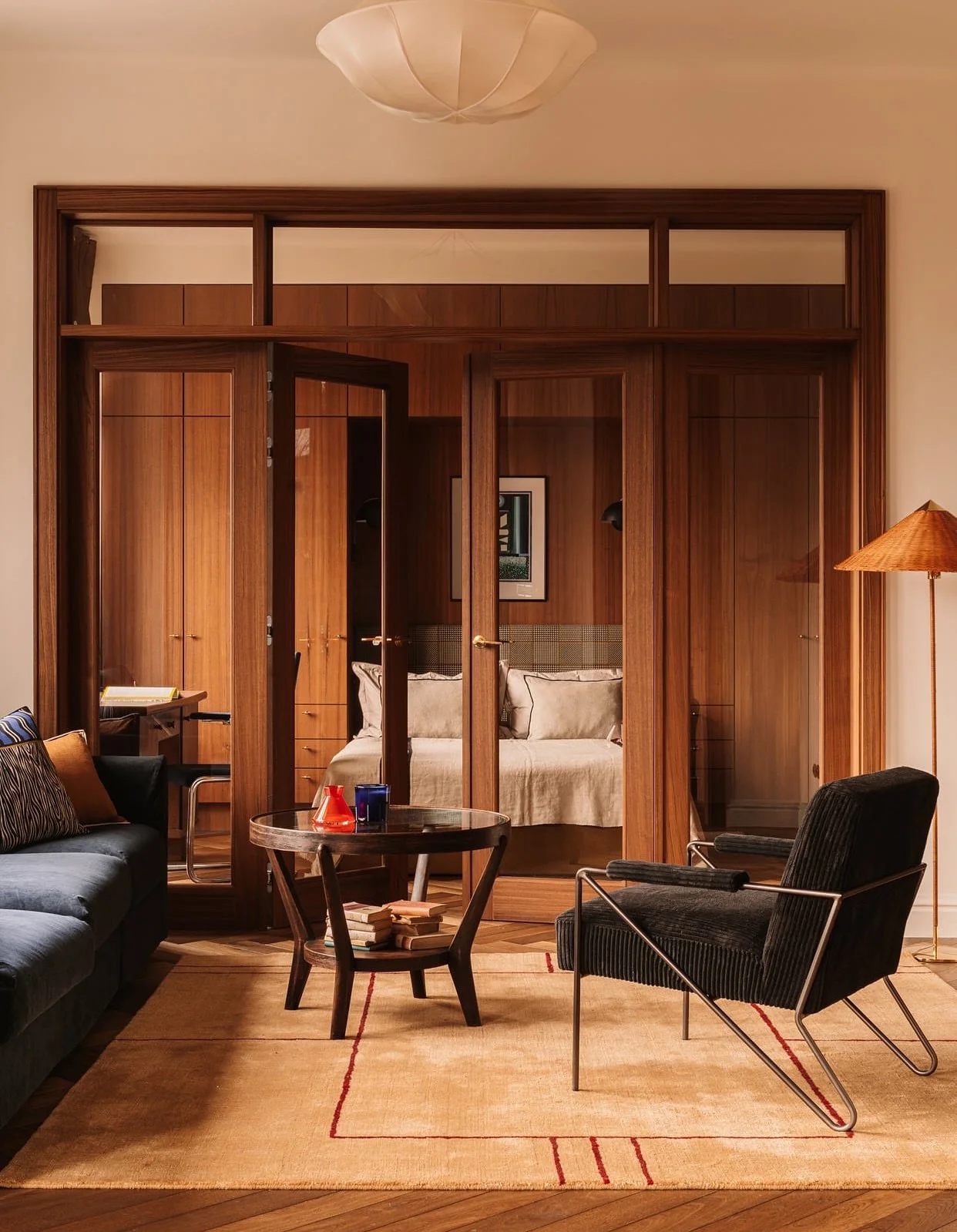
Anchoring the seating area, this rug defines the layout and visually expands the room for a cohesive, inviting flow.
Photo from Whitemadmagazine // Photographer Moodauthors // Design by Colombe Studios
4. RUG PLACEMENT & LAYOUT BASICS
When deciding where to place rugs, there is no one “right” way to do it. However, there are certain key elements you should consider when placing your rug.
Furniture Groups
If you have more than one furniture group in a single room, such as a bedroom with an office - it's important to define each zone clearly. Some people may be tempted to buy one large rug to cover both the bed and desk area. When this happens, the desk can feel like it belongs to the sleeping zone, even though these are two distinct areas intended for very different activities.
In these cases, it's better to use one rug for the bed area and a smaller rug for the desk, allowing each zone to feel intentional.
Alignment & Visual Flow
One of the most important factors is alignment. Your rug should align with your seating, table or other architectural elements in your space. In large open-plan spaces, the rug should follow the direction of the furniture.
As a general principle, the long side of the rug should align with the longest visual line in the room.
Rug & Flooring
When placing your rug, the balance between rug and exposed floor is essential. Exposing some of the floor allows the rug to feel grounded and gives it space to visually stand out.
As a general guideline, leaving around 20-45 cm (8-18 inches) of visible floor around the rug helps create a framing effect.
Main Paths of Travel
In most cases, it's best to keep main paths of travel clear, especially when working with thicker rugs, which can feel heavy underfoot and become an annoyance over time. If a rug is needed in a main walkway, opt for a thinner option such as jute, and always remember a rug pad.
While rug size determines how much furniture a rug can support, placement determines how the room flows and feels.
For more information on ideal rug placement check out my Rug Size and Layout Guide.
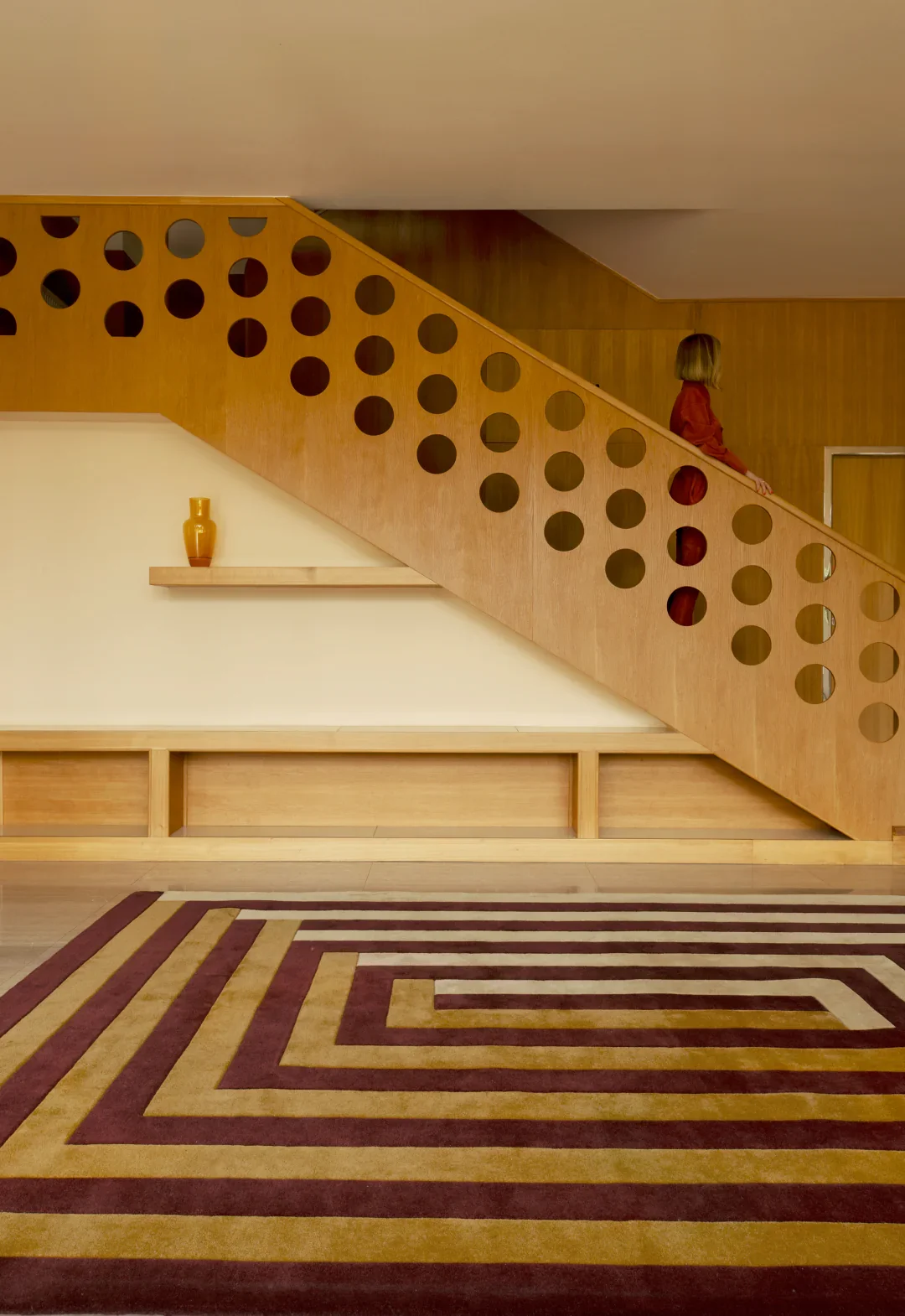
Earthy jewel tones and layered geometric patterns create a harmonious, high-contrast rug that adds rich visual interest to the interior.
Photo from Layered
5. STYLE, COLOR AND HARMONY
Style, color, and pattern choices should support the room as a whole, not compete with existing furniture or finishes.
Style
If you want something playful without committing to a pattern, opt for texture instead. A rug with a looped, cut, or mixed pile adds depth and character while still working with a wide range of interiors.
If you do choose a pattern, rugs woven with different colored threads age far better than printed rugs, which tend to fade quickly and often look cheap.
Color
If your home needs more color, a rug is one of the easiest ways to introduce it. Rugs are relatively easy to swap out compared to furniture or paint, making them a low-commitment way to experiment.
A solid-colored rug can add depth and richness to a space, and an added bonus is that darker or mid-toned rugs tend to hide dirt and stains better than very light or white rugs.
Harmony
If your space feels flat, it may be lacking contrast. In this case, choose a rug that is either lighter or darker than the surrounding elements to create definition.
If there’s already a lot going on with strong colors, textures, or statement furniture, go for a rug that harmonises with existing elements rather than competing with them.
Avoid choosing a rug in the exact same color as the floor, as this removes contrast and weakens the grounding and zoning effect a rug should provide.
Trends
If you’re drawn to a new rug trend, analyse the inspiration images and ask yourself whether those spaces are actually comparable to your own in size, light, and furniture style.
Pro tip: Whenever possible, ask the retailer for a material sample and view it in your home, as lighting and surrounding colors can dramatically change how a rug looks.
A rug should enhance the furniture you already own—you shouldn’t need to redesign the entire room to make it work.
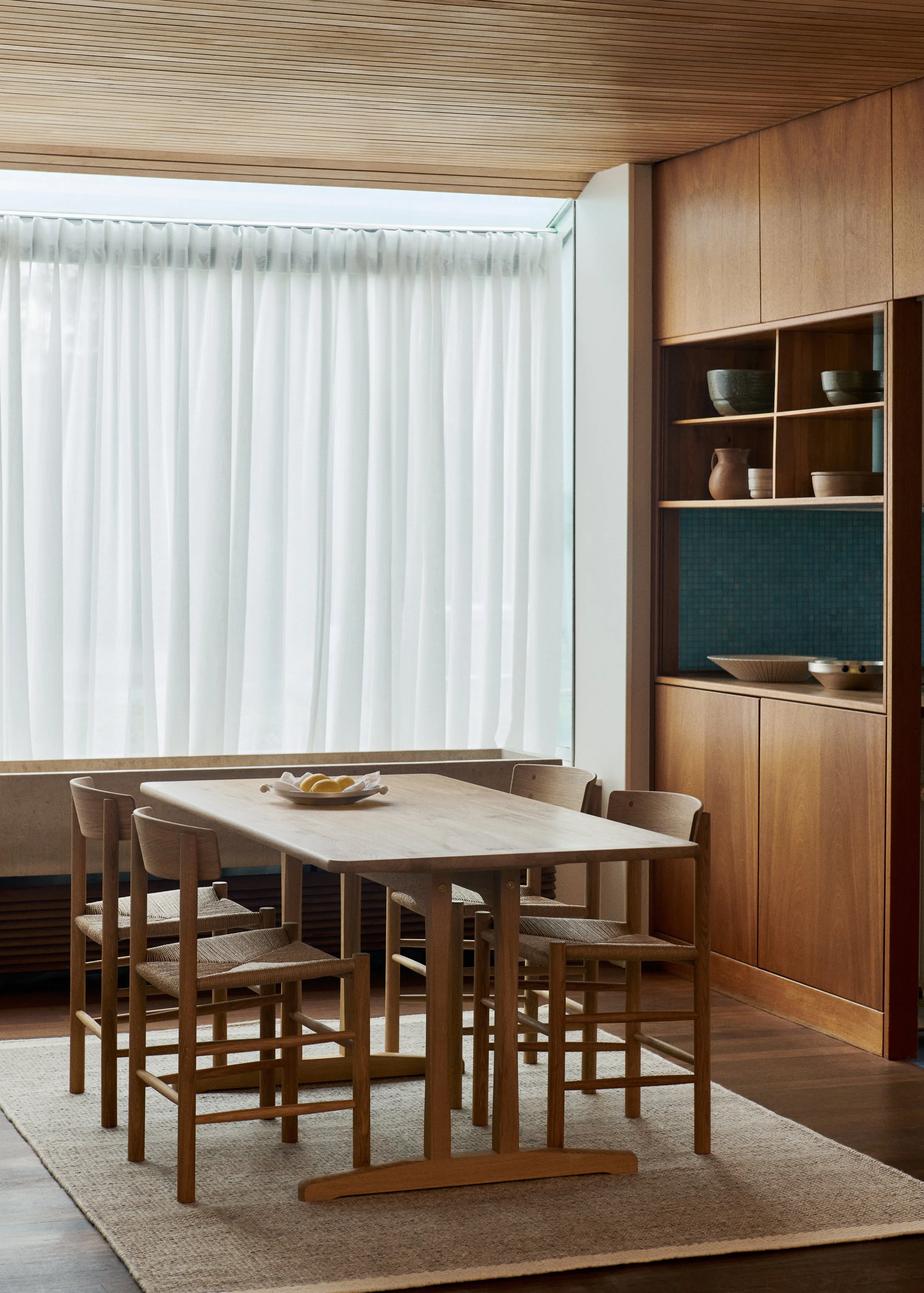
The rug is beautiful and visually appealing, but it’s too small for the dining table — consider sizing up for better proportion and comfort.
Photo from Fredericia Furniture
6. MOST COMMON RUG MISTAKES
And How to Fix them
Rug being too small- when choosing a rug that is undersized, especially in a larger room, the seating area can look undefined and appear to float within the space. Always size up rather than down.
Choosing the wrong material & weave for your lifestyle- selecting a rug that doesn`t suit how a space is used can quickly make it feel impractical.
Using a rug pattern that competes with other patterns - bold or highly patterned rugs can overwhelm a room when paired with other strong textures or textiles, rather than creating balance.
Skipping the rug pad- without one the rug slips, curl at the edges and wear out faster. A pad also helps protect the flooring underneath.
Ignoring the placement and flow - when a rug isn't placed intentionally, it can make a space feel visually misaligned. Rug placement should support how you move through the room on a daily basis.
Buying before measuring - measuring your space before purchasing a rug can save you time and money, and helps avoid the need to test multiple sizes before finding one that works.
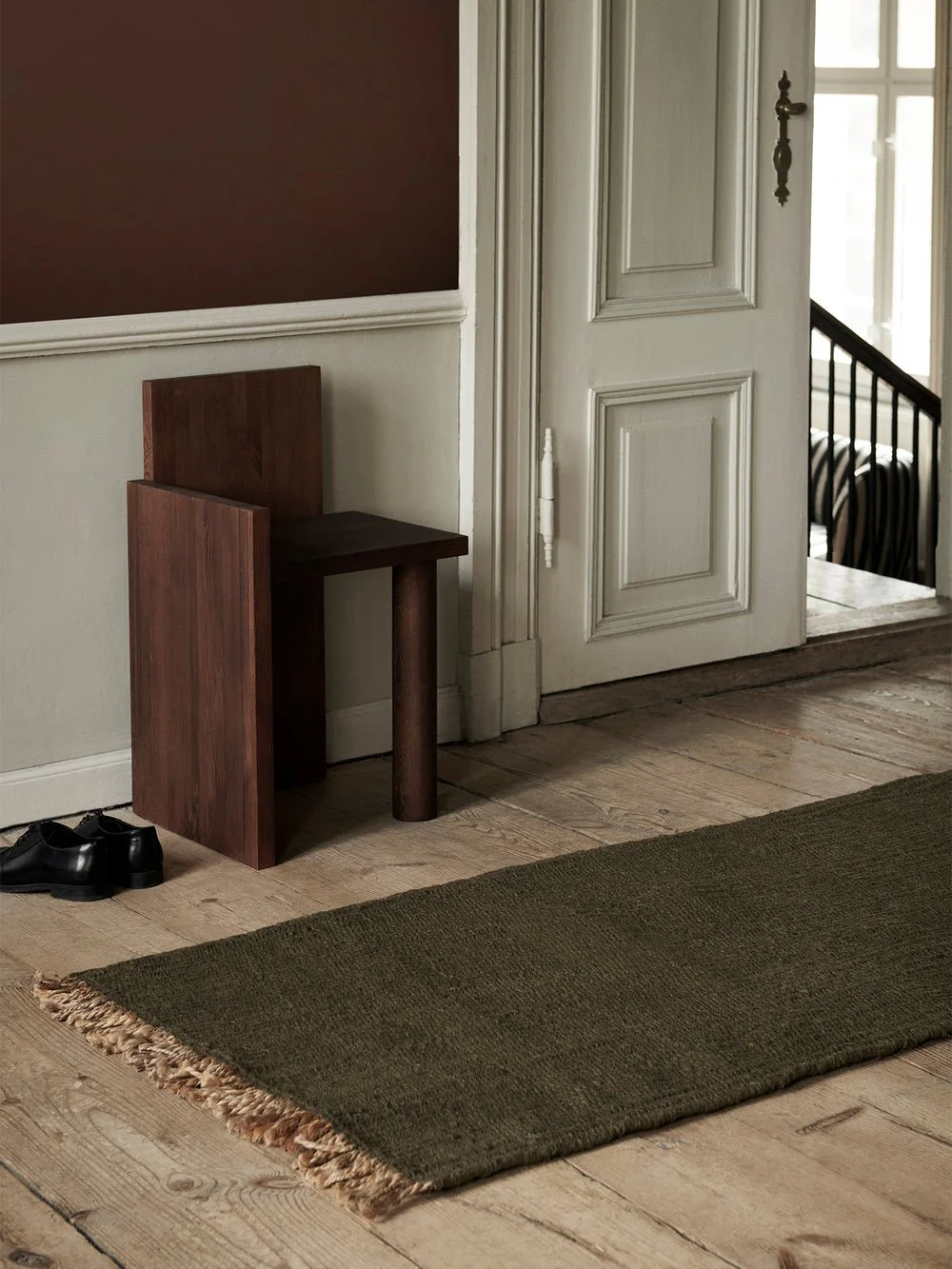
Flat-weave rugs are ideal for hallways, combining durability, low profile, and easy maintenance. Image from Ferm Living
7. WHERE TO SPEND VS SAVE
When properly cared for, a rug can be a great long term investment. Buying a cheap rug that is not intended for its specific use might become more expensive than doing your research and buying one high-quality rug.
WHERE TO SAVE:
Temporary living conditions such as dorms or shared apartments
When you're testing out a new trend or color palette
Mis-Sizing - avoid buying a rug that is too large for the space, as it can overpower the room
Choose a material that's functional not fancy, and prioritize materials suited to the rug's intended use.
WHERE TO SPEND:
Dense weave and tight knot count, these rugs tend to pill less and retain their shape better over time.
High-quality backing, ensures that the rug holds together and prevents tearing. Low quality glue can dry out, stiffen and eventually cause damage.
Rug pads, which protect the floor and prevent slipping, reducing unnecessary wear
Timeless classic design that never goes out of style.
A GOOD RULE:
If functional (everyday living, kids, pets)- spend on quality + clean-ability
If decorative (guestroom, staging) - save with simpler options

A durable, stain-resistant kitchen rug designed for heavy foot traffic and easy cleaning.
Photo from Hay
8. CARE & LONGEVITY
Vacuum your rug weekly - small grains, dirt, and debris gradually break down rug fibers over time.
Rotate your rug 180 degrees every 6 months - doing this simple habit can significantly extend its lifespan.
Avoid placing dark-colored rugs in spaces with strong natural light - as prolonged sun exposure can cause fading over time.
Always use a rug pad - to prevent slipping and reduce friction, which helps minimise wear and protects the floor underneath.
Act quickly when spills happen - never rub the liquid, instead gently blot to prevent damage to the fibers.
Read the care instructions carefully, as proper maintenance varies from all rugs
Schedule professional cleaning every 1-3 years, especially for:
Wool
Silk
Antique and handmade rugs
8. Avoid steam cleaning unless the rug manufacturer says it's safe.
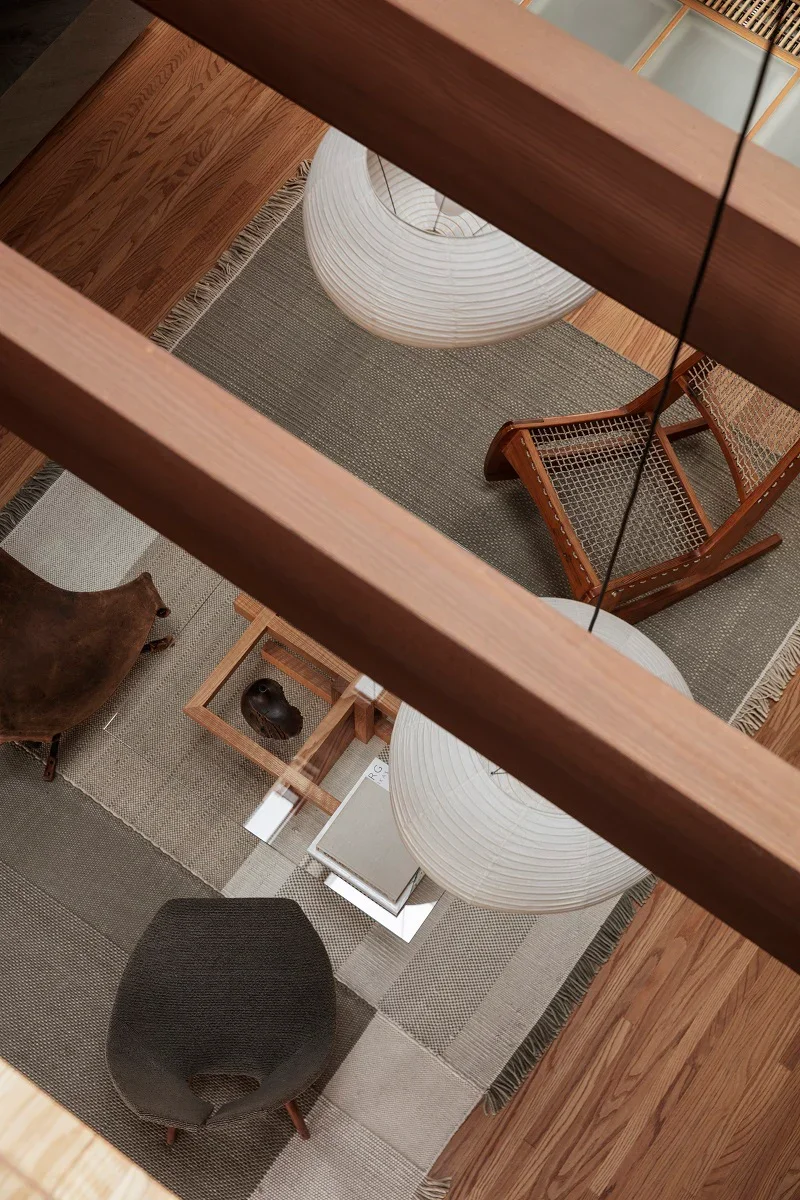
The rug’s low-pile, neutral pattern anchors the seating area while withstanding high foot traffic for easy maintenance.
Photo from Nanimarquina
When choosing a rug it's important to find a rug that suits your lifestyle, your needs and your space. Don't just buy a rug because it's trending, or you like the color. The technical qualities of a rug are just as important as its aesthetic.
Løve from,
Kristine
