
Furniture Textile Guide
You've found your dream sofa, it's the right comfort, shape and looks perfect. Then comes the daunting questions: What type of upholstery do I choose? What's right for me and my lifestyle? The amount of choices is overwhelming, and you don't really know where to begin.
Well I`ll tell you, this is a great place to begin.
Choosing the right furniture upholstery is a balance between comfort, appearance and furniture longevity. More than just aesthetics, your furniture fabric must be able to handle thousands of hours of wear, spills and stress all while keeping its structure and aesthetics.
If you need tips on Leather Furniture, read my full guide here.
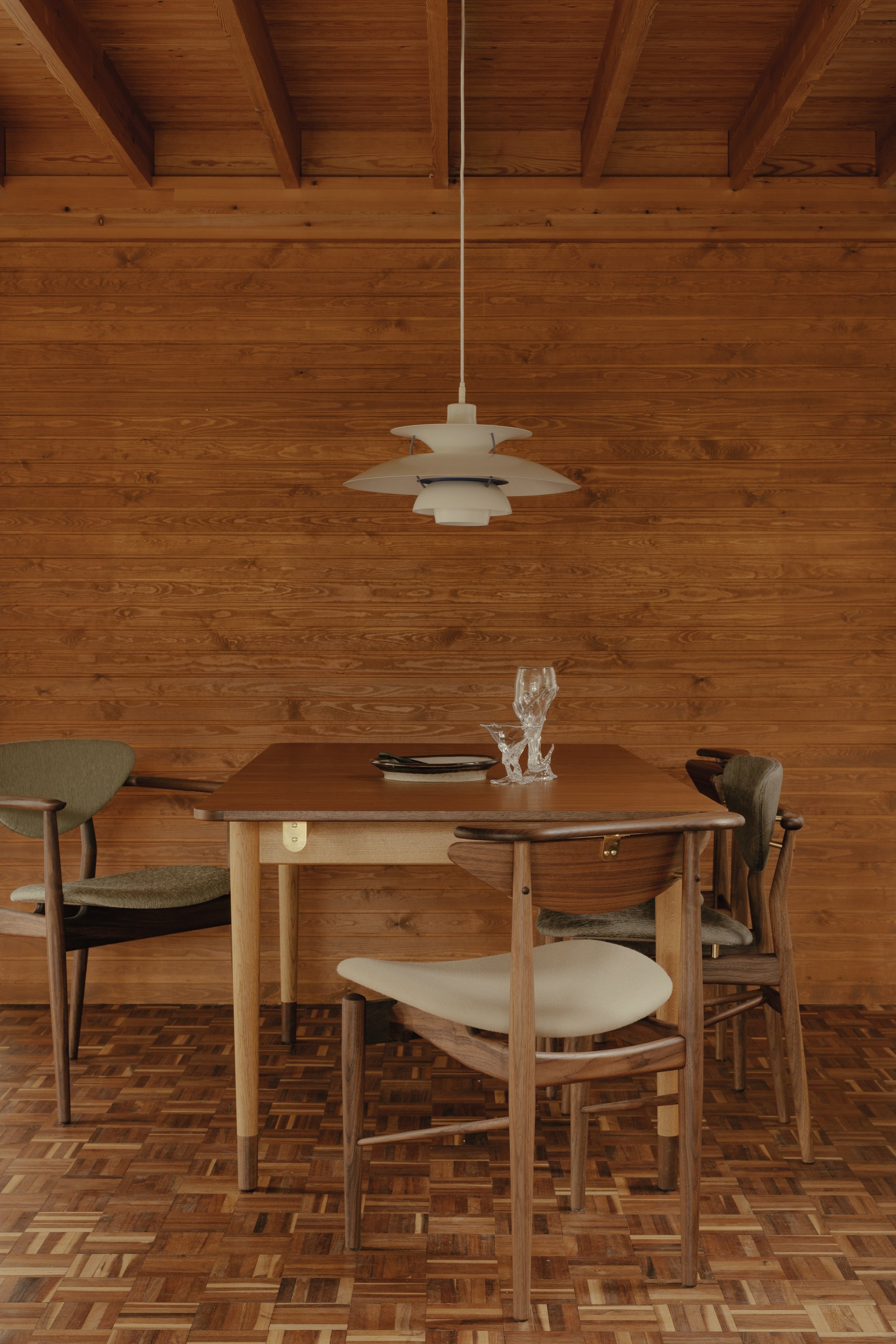
Photo from House of Finn Juhl
Selecting the right upholstery can transform the appearance of a piece of furniture. The choice of textile affects not only colour and texture but also comfort, durability, and maintenance. To find the upholstery that suits your needs, environment, and aesthetic preferences, it can help to consider the following:
USAGE AND ENVIRONMENT
In what area will the furniture be placed? How often will it be used? For everyday wear you might be in need of a more durable and easy maintenance textile. On furniture with less usage a lighter more delicate material could work.
MAINTENANCE AND LIFETIME
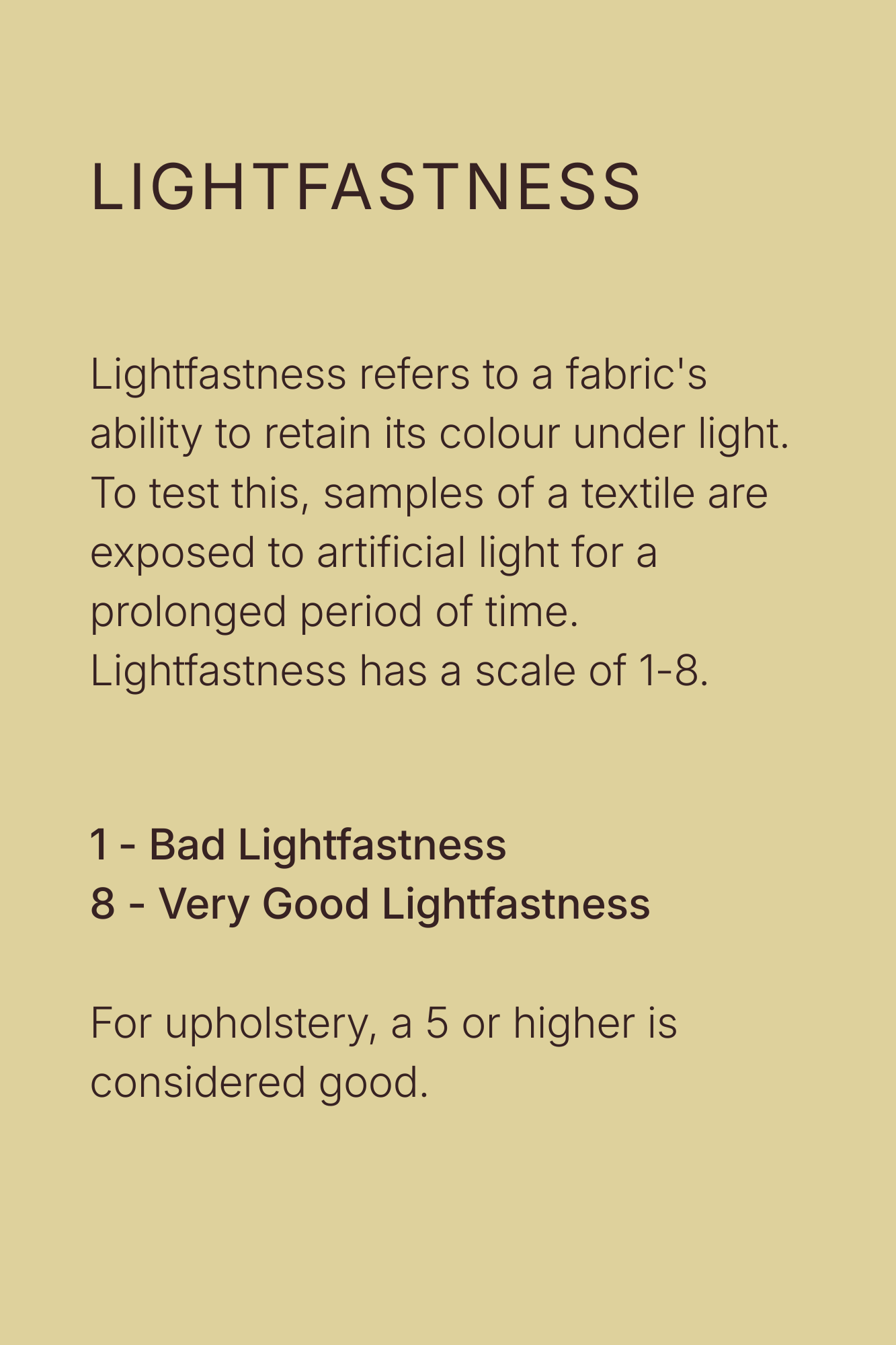
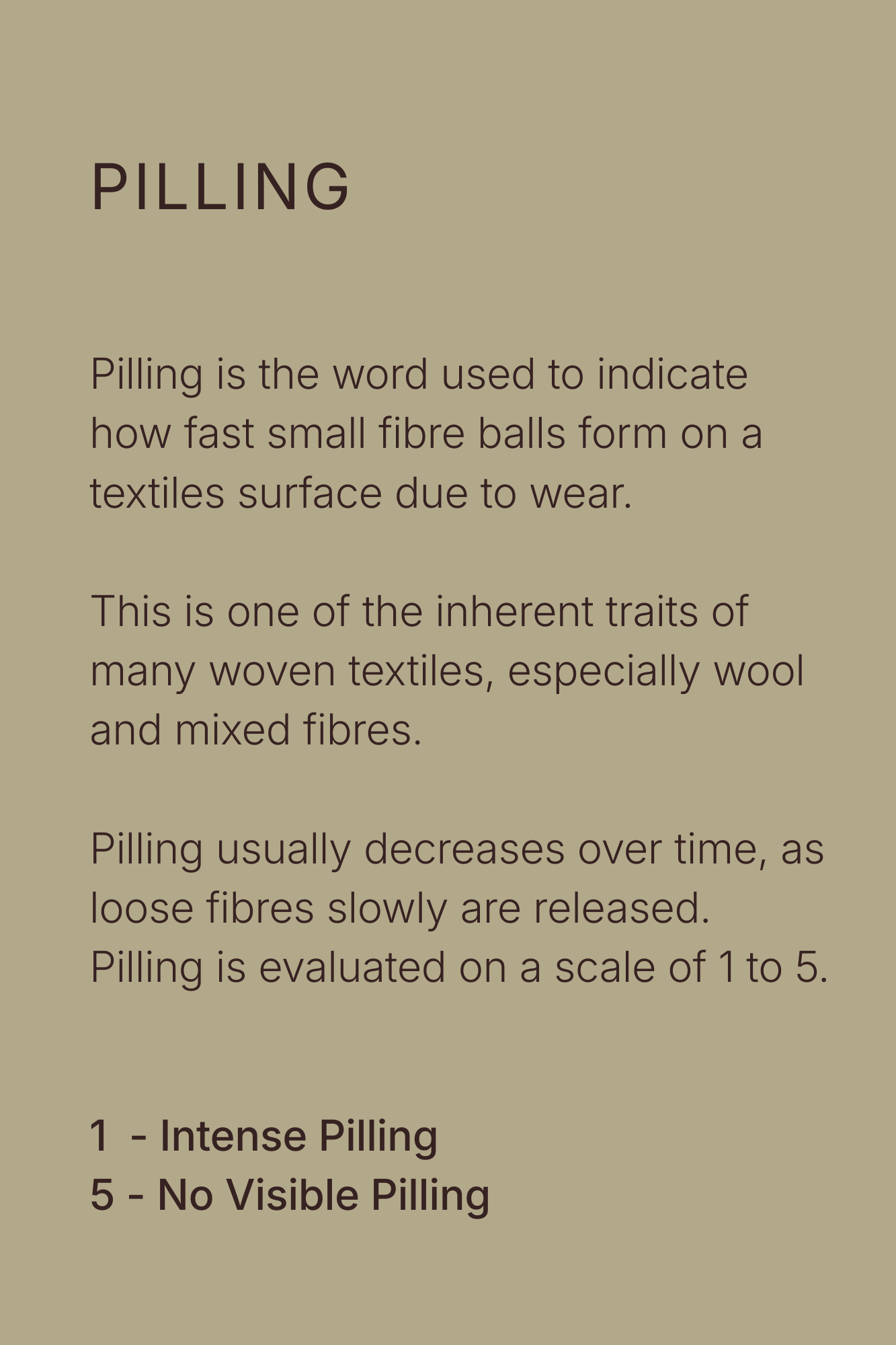
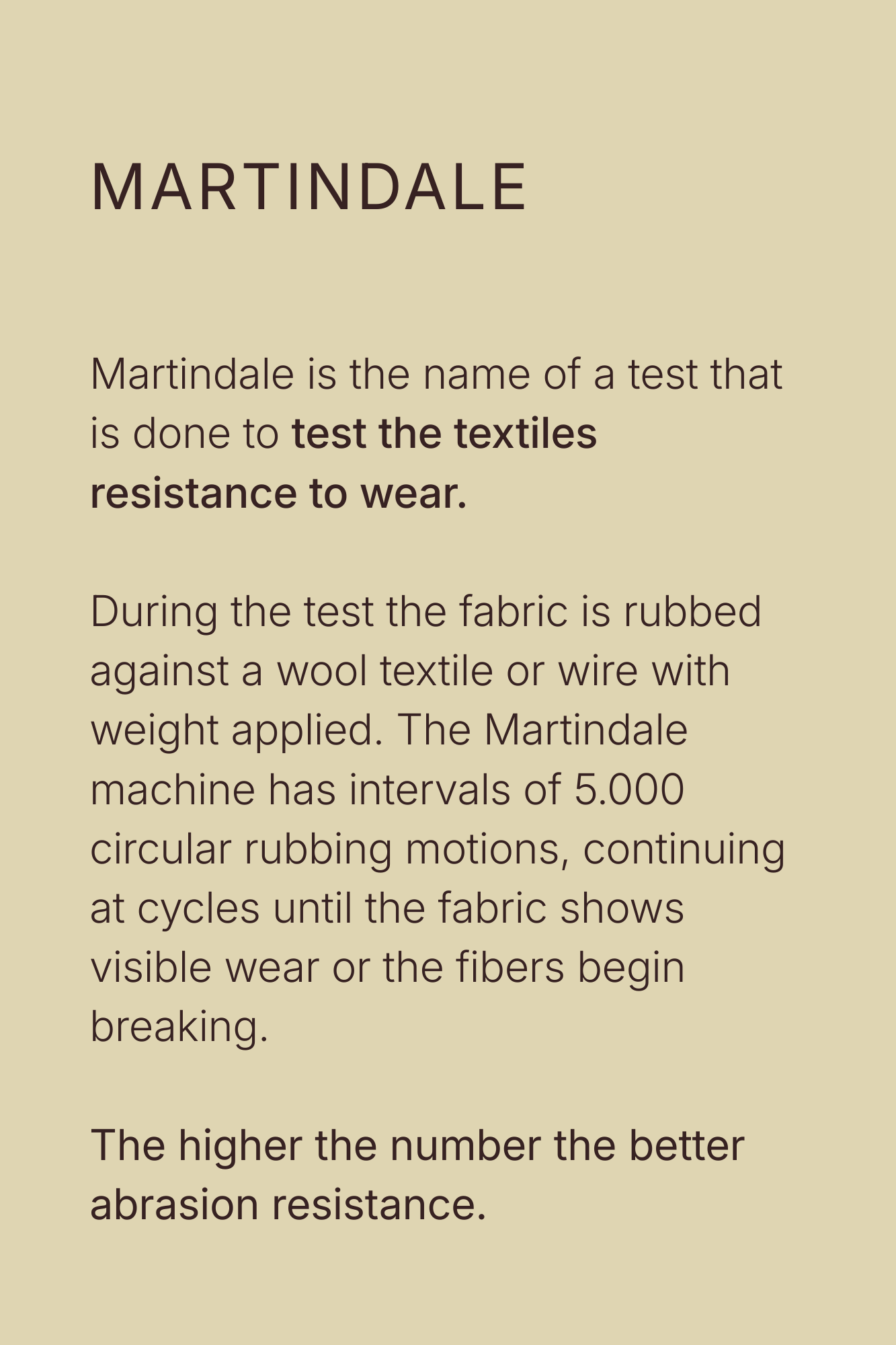
Think about how often the textile will be cleaned and how long it's expected to live. Different textiles offer different practicality in terms of durability, light fastness, pilling and comfort, depending on its weave and structure.
SHAPE AND PRODUCTION
The furniture's shape can transform depending on its upholstery. A textile can also change the expression of a sofa, a rigid sofa might feel more welcoming with a soft textile and vice versa.
APPEARANCE & STYLE
The appearance of a textile can change a lot depending on the light and the area. When possible, always bring samples home and look at it in the space of intended use. Ideally see how it looks during the day and evening to ensure the color and texture is suiting the surroundings.
COMFORT & QUALITIES
Every textile has its own set of qualities and comfort. Wool is thermo regulating, cotton is very breathable making it great for warm environments and synthetic textiles are extremely durable. Knowing the qualities each fabric has can help you make the right decision.
TERMINOLOGY
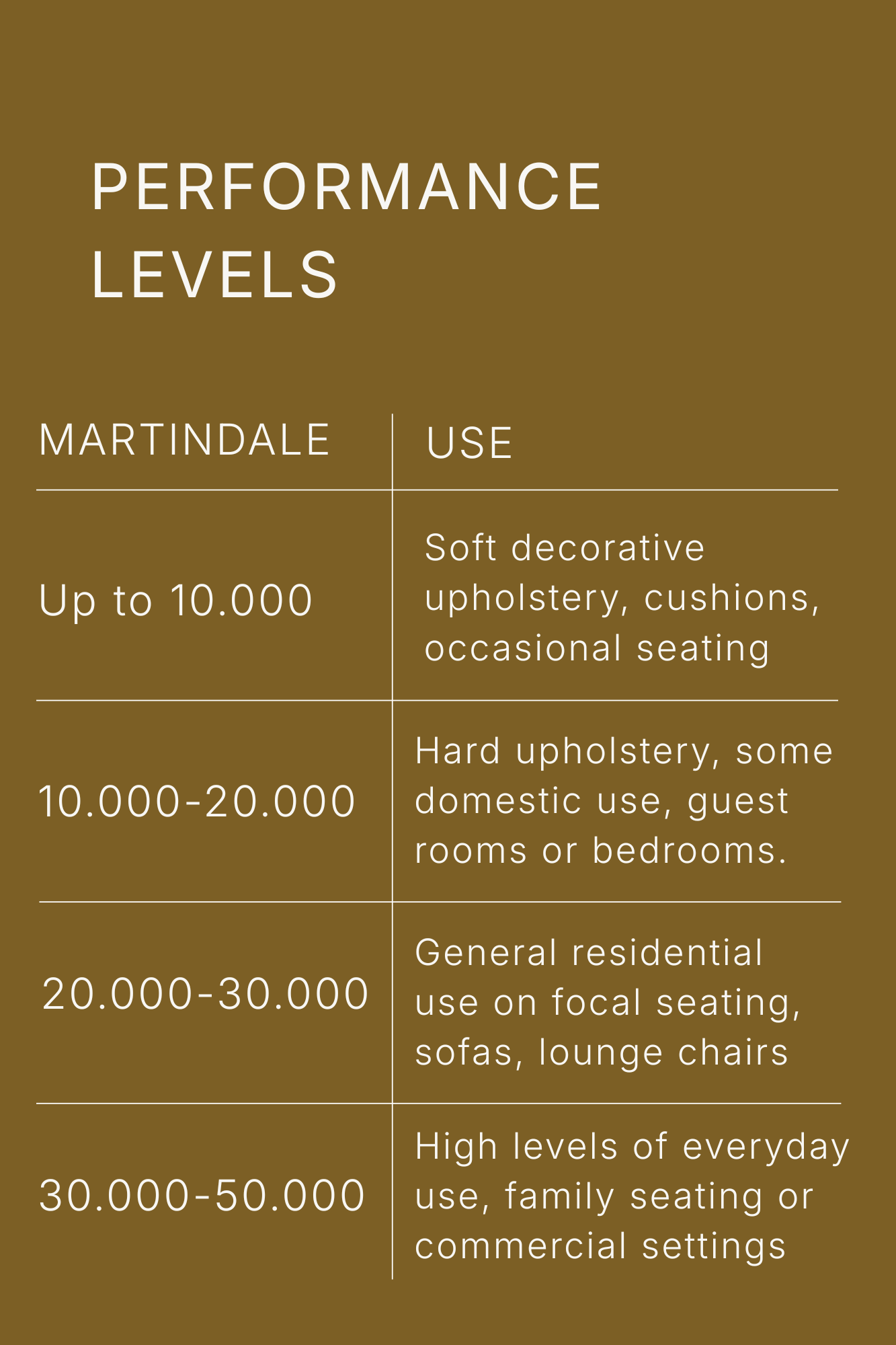
NATURAL MATERIALS
Natural materials are often not as durable as synthetic ones. But the natural feeling can not be recreated with a synthetic material. Natural materials are made in variety of different ways some from animals and some from plants. Natural materials age more gracefully and has a breath-ability that cant be beaten.
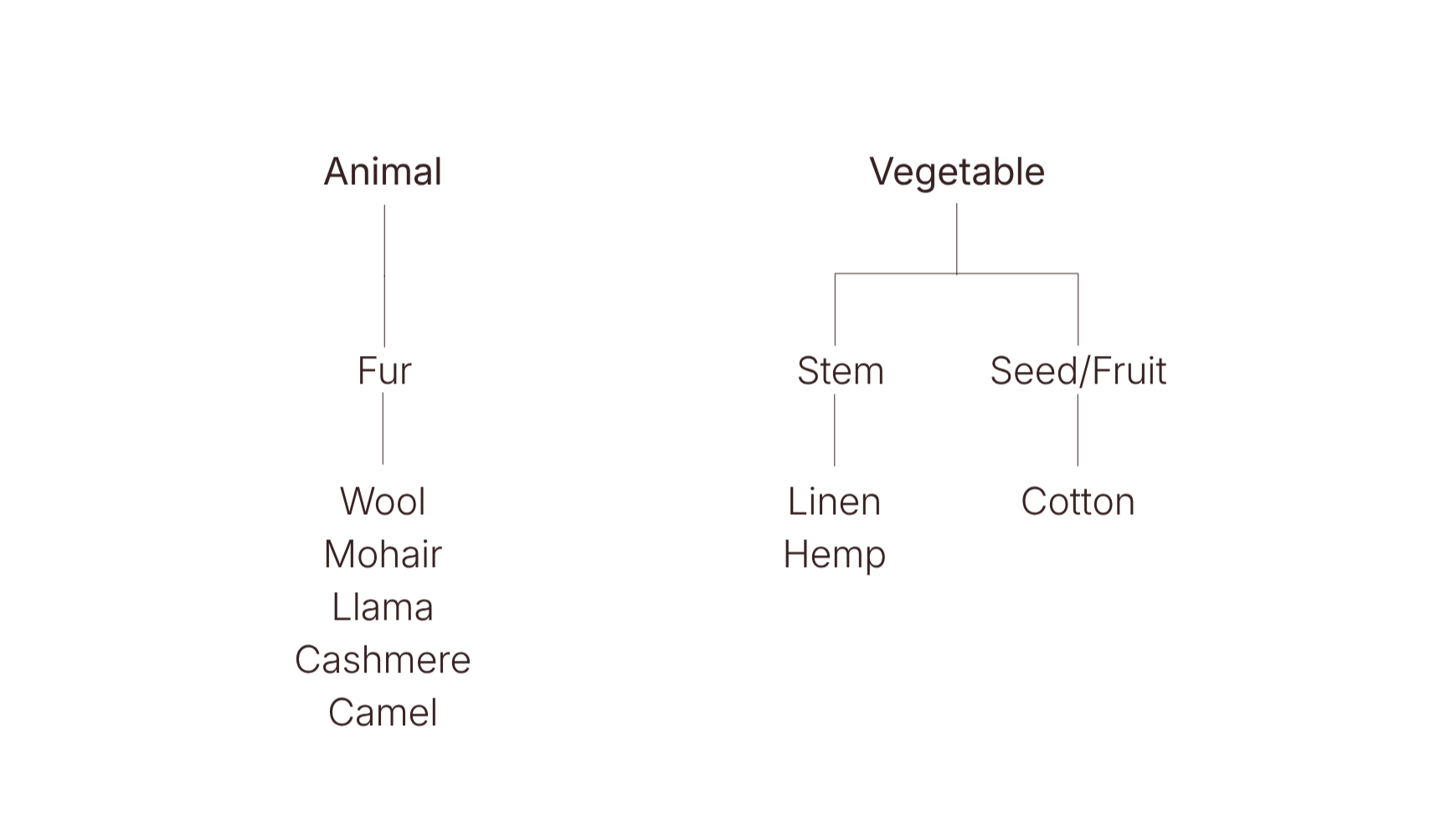
VISCOSE/RAYON
Viscose is a semi-synthetic material made from wood pulp which then goes through a chemical process. Viscose is a popular furniture textile because of its soft, luxurious and glossy look. Though beautiful it is hard to maintain, as spilling water can lead to permanent damage to the fabric. Viscose is most commonly mixed with other fibers to enhance its durability and stability.
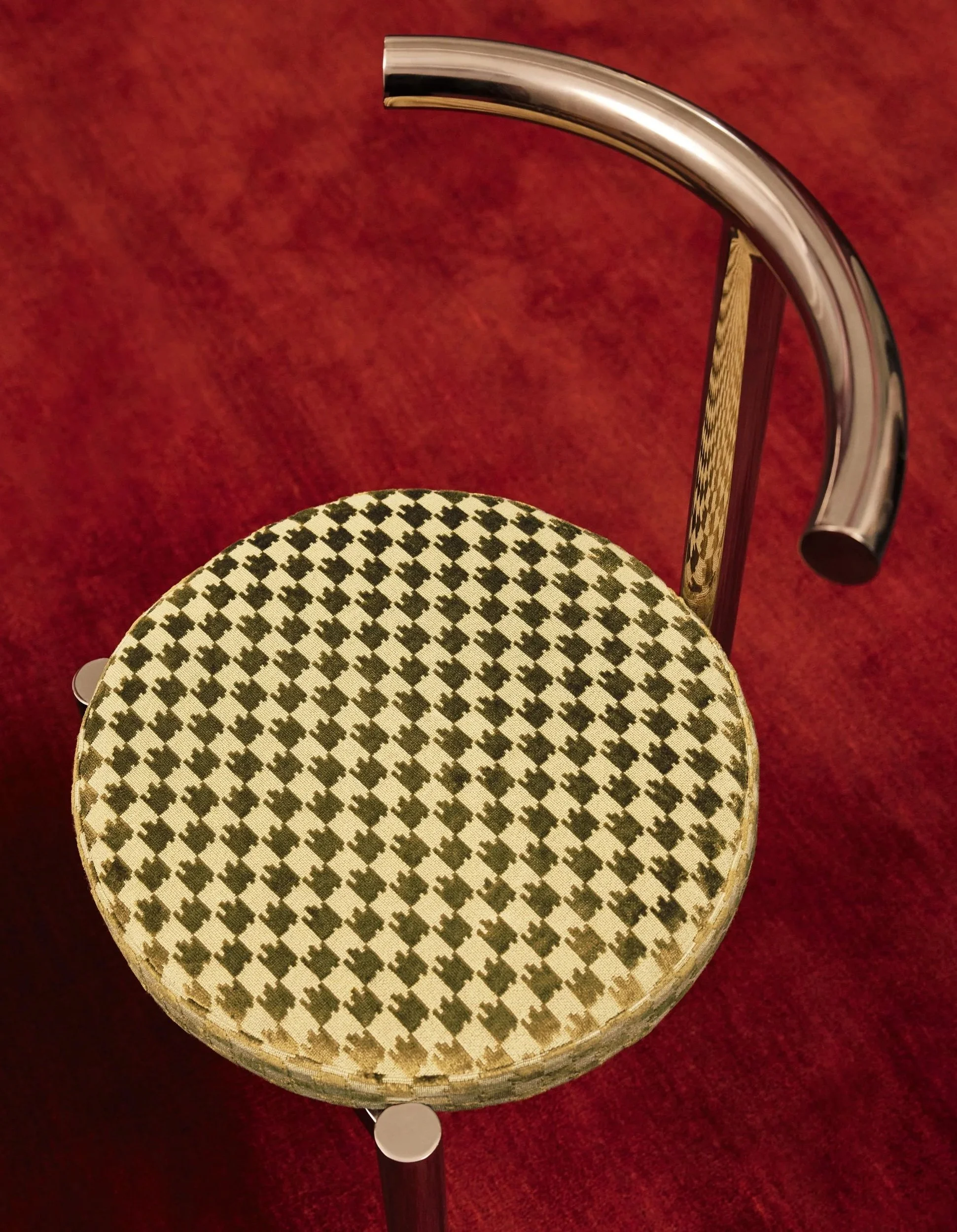
Eden Fern By Kirkby Design
60% Viscoe 24% Cotton 16% Polyester //Pile: 100% Viscose
PROS
Soft
Lightweight
Beautiful Sheen
High Color retention
Breathable
CONS
Can Not Get Wet
Can't Be Spot Cleaned
Dry Clean Only
High Absorbency
USE
Soft Furnishings
Avoid If you Have Pets or Kids
Do Not Use on Dining Furniture
Occasional furniture, not the ones you use everyday
WOOL
Wool is made from sheep fiber, and is a very flexible textile, as it has a lot of natural benefits. Not all wool is made from sheep fibre, and can also be made from mohair, angora, lama, camel & cashmere. If you often think of wool as an itchy fabric, modern treatments and blending techniques make wool a soft and comfortable material.
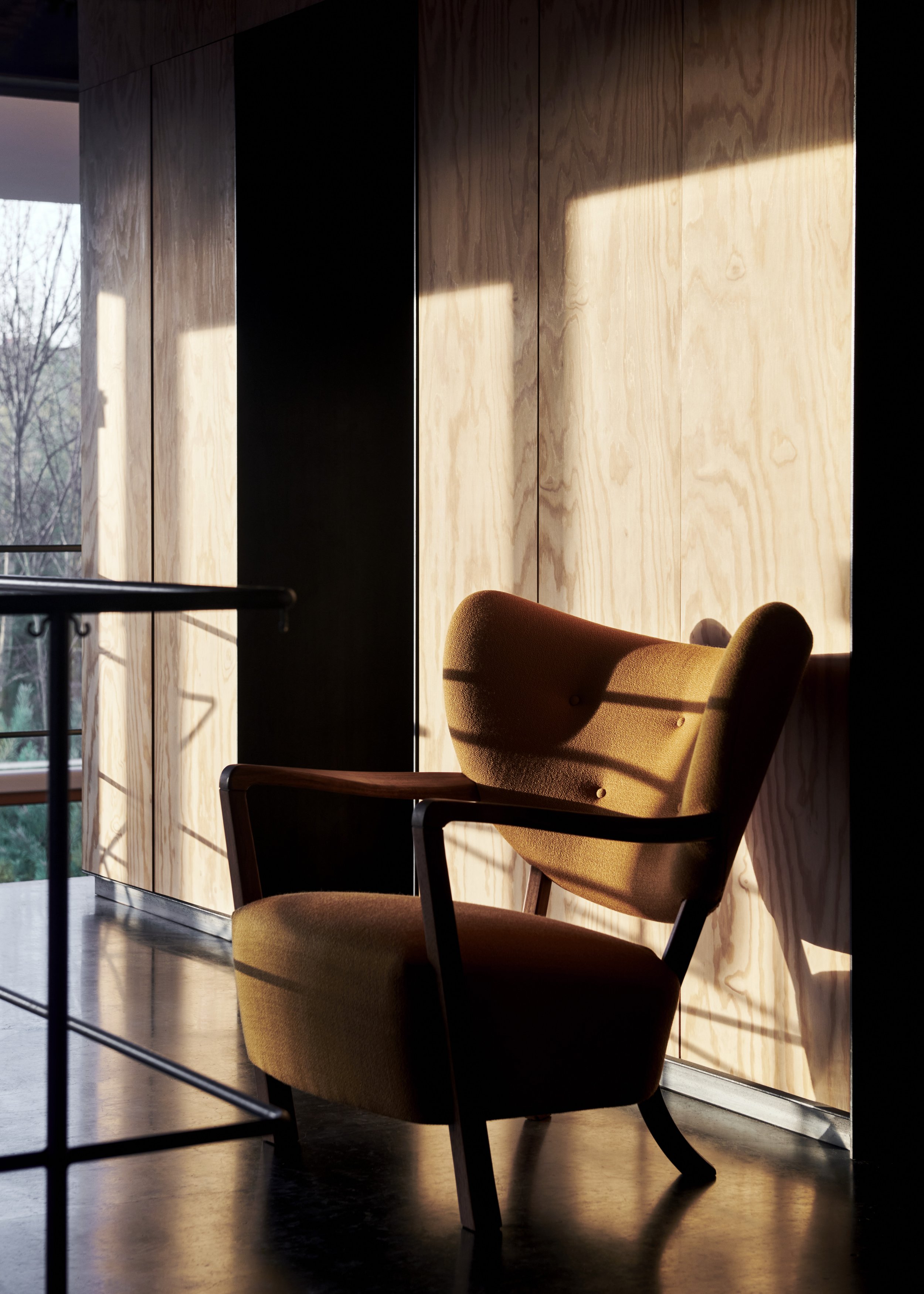
Wulff Chair in Vidar from &Tradition
94% wool, 6% nylon
PROS
Naturally Flame Resistant
Naturally Dirt Repellent
Naturally Stain Resistant
High Durability
Soft and Comfortable
Naturally Thermoregulating
Low Pilling
CONS
Not Allergy Friendly
Can Be Itchy
Often Dry Clean Only
USE
Private and Contract
If you Have Kids or Pets
Hard and Soft Upholstery
Large and Small Surfaces
COTTON
Cotton is a vegetable fiber made from cottonseed lint. Cotton is the most used textile in the world, and holds a lot of natural benefits. Modern cotton is often treated to improve stain resistance, and can be found in blends with for example polyester to enhance the cottons durability.
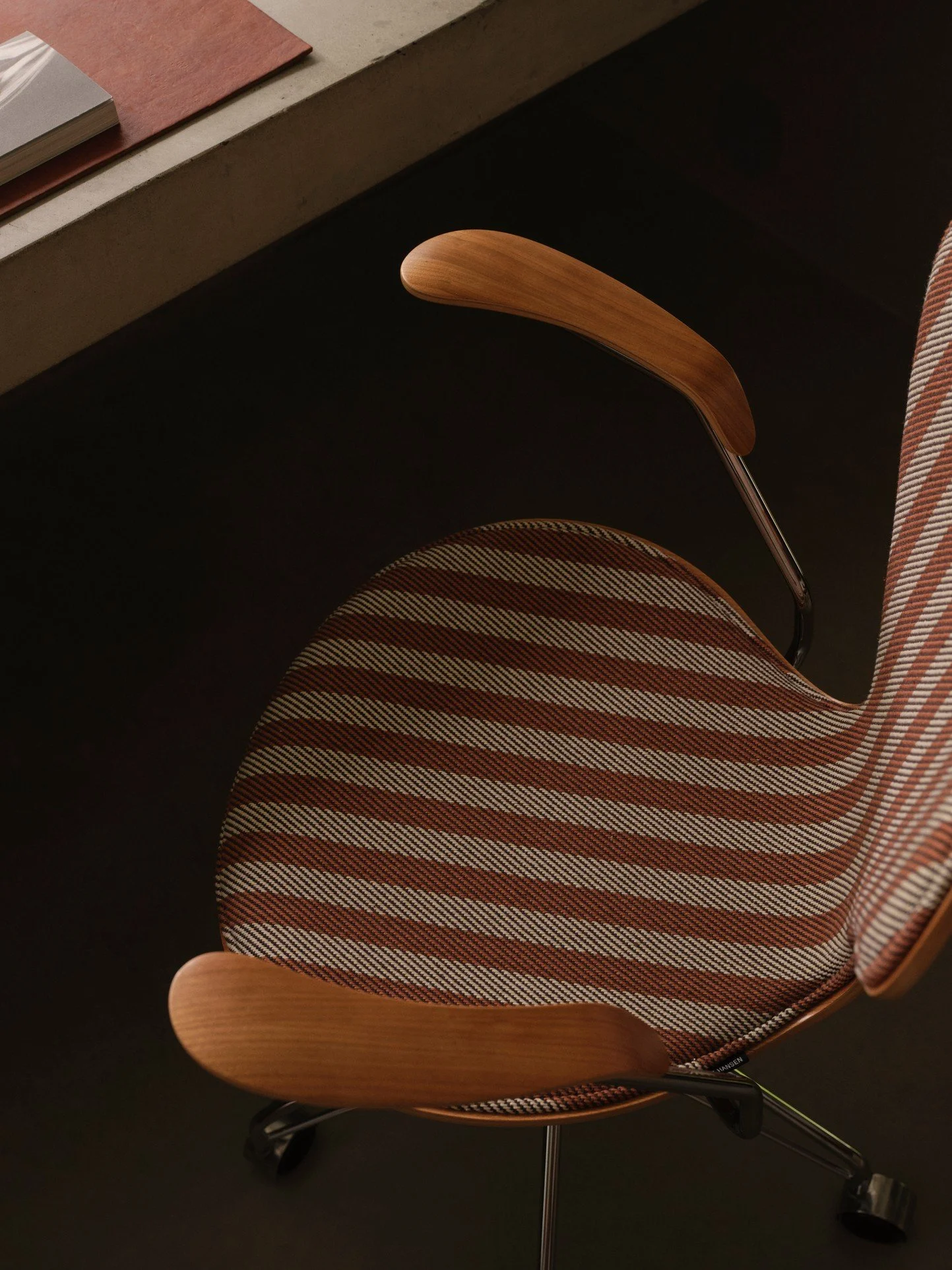
SERIES 7™ Office Chair in Voulez-Vous from Fritz Hansen
70% Recycled Cotton, 20% Polyester, 10% Other Fibers
PROS
Soft and Natural Texture
Comfortable
High Breath-ability
Renewable and Biodegradable
Vibrant and Lasting Colors
CONS
Moisture absorbent
Spills and stains
Wrinkles
Can shrink if washed in machine
USE
Low-traffic areas
Softer seating
Smaller surfaces
LINEN
Linen fabric changes over time to a more relaxed and casual look. It is the oldest material in the world, which makes it truly timeless. As Linen is highly absorbent i recommend getting slip covers, that can be machine washed especially if you have kids or pets. The fabric is most commonly used in textile blends. Linen’s amazing durability means that properly made linen upholstery can last for decades with proper care.
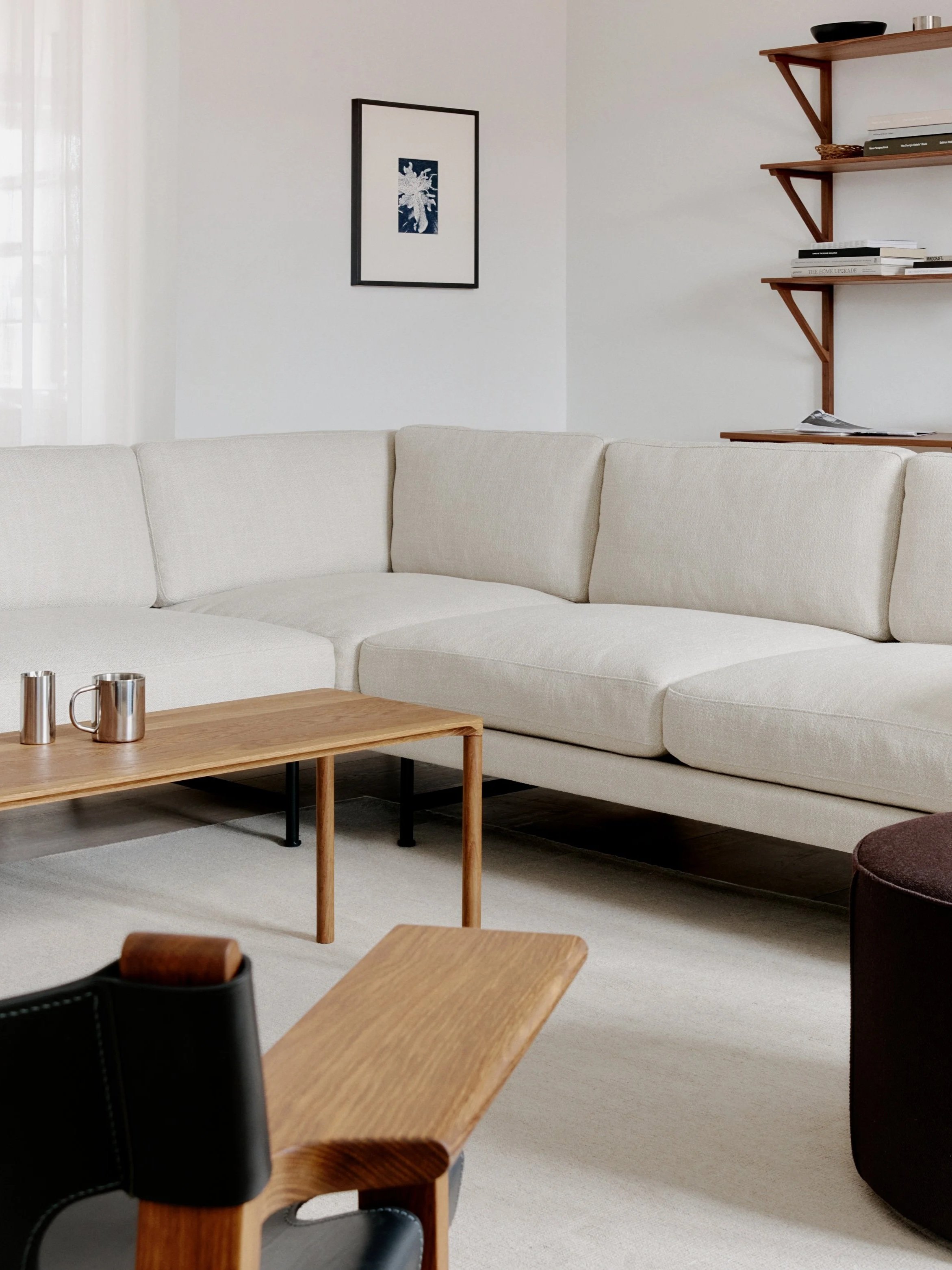
Calmo Sofa in Grand Linen From Fredericia
100% natural uncoloured linen
PROS
Durable
High Comfort
Glossy
Natural Looking
Thermoregulating
Eco Friendly
CONS
Highly Absorbent
Can Attract Dirt
High maintenance
Wrinkles
USE
Private
Best for soft seating
Occasional Seating
Low-traffic Areas
Headboards
SYNTHETIC MATERIALS
Synthetic materials are great for those who are looking for exceptional durability and more affordable fabric options. However natural materials are often softer, more breathable and more eco friendly making it a better choice for those wanting a natural look.
POLYESTER
Polyester is made from petroleum based products, but not all polyester is bad for the environment as many good textile companies make recycled polyester. Polyester can mimic the look of cotton and linen but has better durability and stain resistance, making it a more affordable and practical choice.

Amanta in Story From HAY
75% recycled cotton, 25% polyester
PROS
Naturally Flame Resistant
Dries Fast
Durable
Low Pilling and Strong Abrasion
Washable at 60°C/140°F
Handles Moisture
Hypoallergenic
Fade resistant
Easy Care
CONS
Low breath-ability
Absorbs oil (also from the skin)
Can get static
Heat sensitive
Can feel stiff
USE
Private and Contract
Outdoors
High-Traffic Areas
If You Have Allergies
If you Have Kids or Pets
ACRYLIC
Acrylics is seen as a good alternative to wool, as it provides many of the same benefits as wool upholstery. Including warmth, comfort and natural looking texture, while also offering easier maintenance and lower fade resistance. Acrylic is also resistant to UV radiation and moisture, making it a popular choice for outdoor furniture.
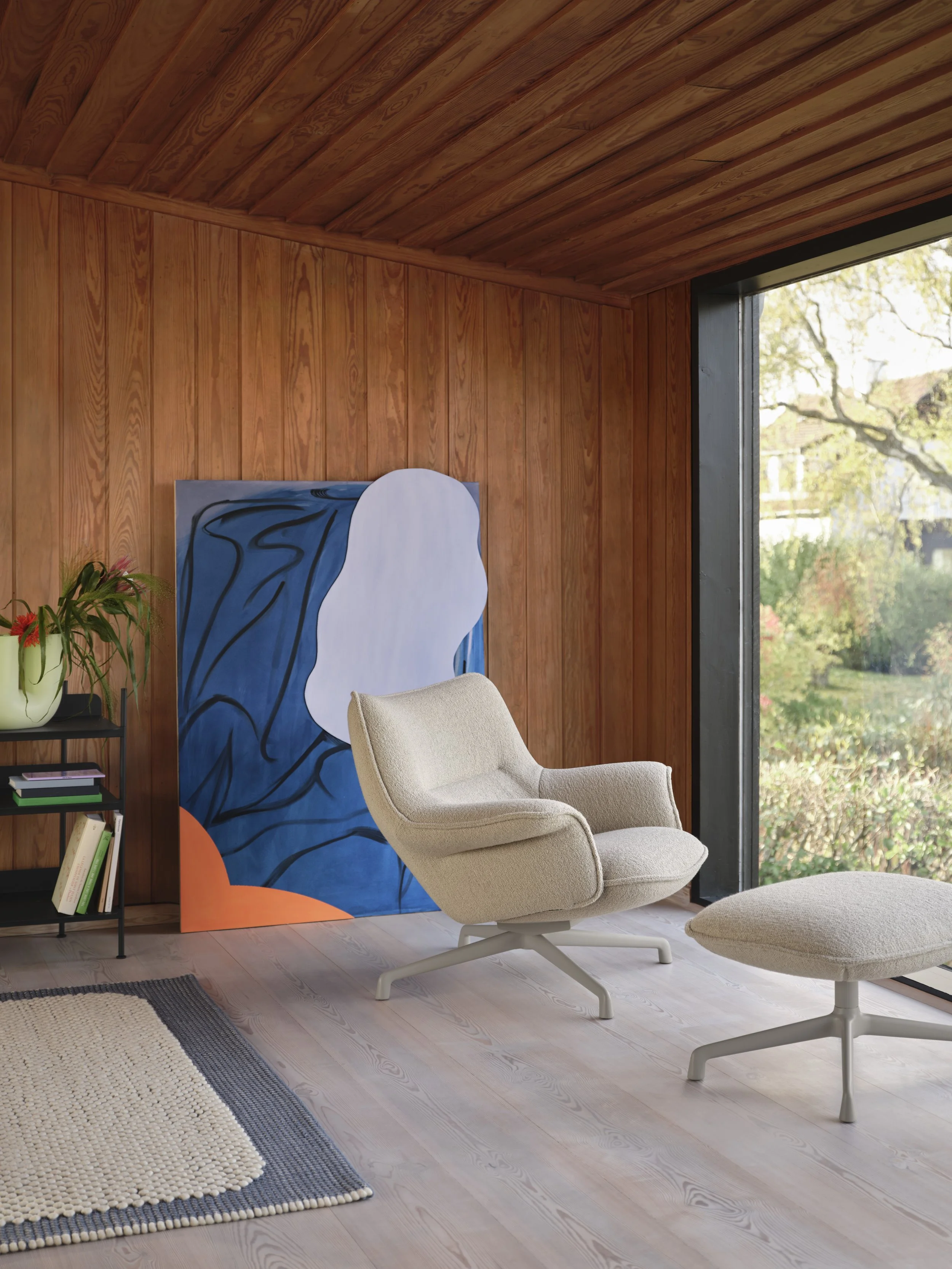
Doze Chair in Hearth from Muuto
32% wool, 31% acrylic, 30% cotton, 7% polyester
PROS
Soft
Warm
Natural Looking Texture
Moisture Resistant
Uv Resistant
Easy Care
Fade Resistant
Durable
CONS
Pilling Over Time
Low Breathability
Flammable
Attracts oils
USE
Outdoors
If you Have Kids or Pets
Big Surfaces
High-Traffic Areas
If You Have Allergies
Private and Contract
Avoid if You Have Sensitive Skin
NYLON
Nylon is a synthetic material created from petroleum. It was originally created to mimic the look of silk, but has since then become one of the most durable materials. Nylon is usually blended with other materials to enhance performance and usability for furniture upholstery.
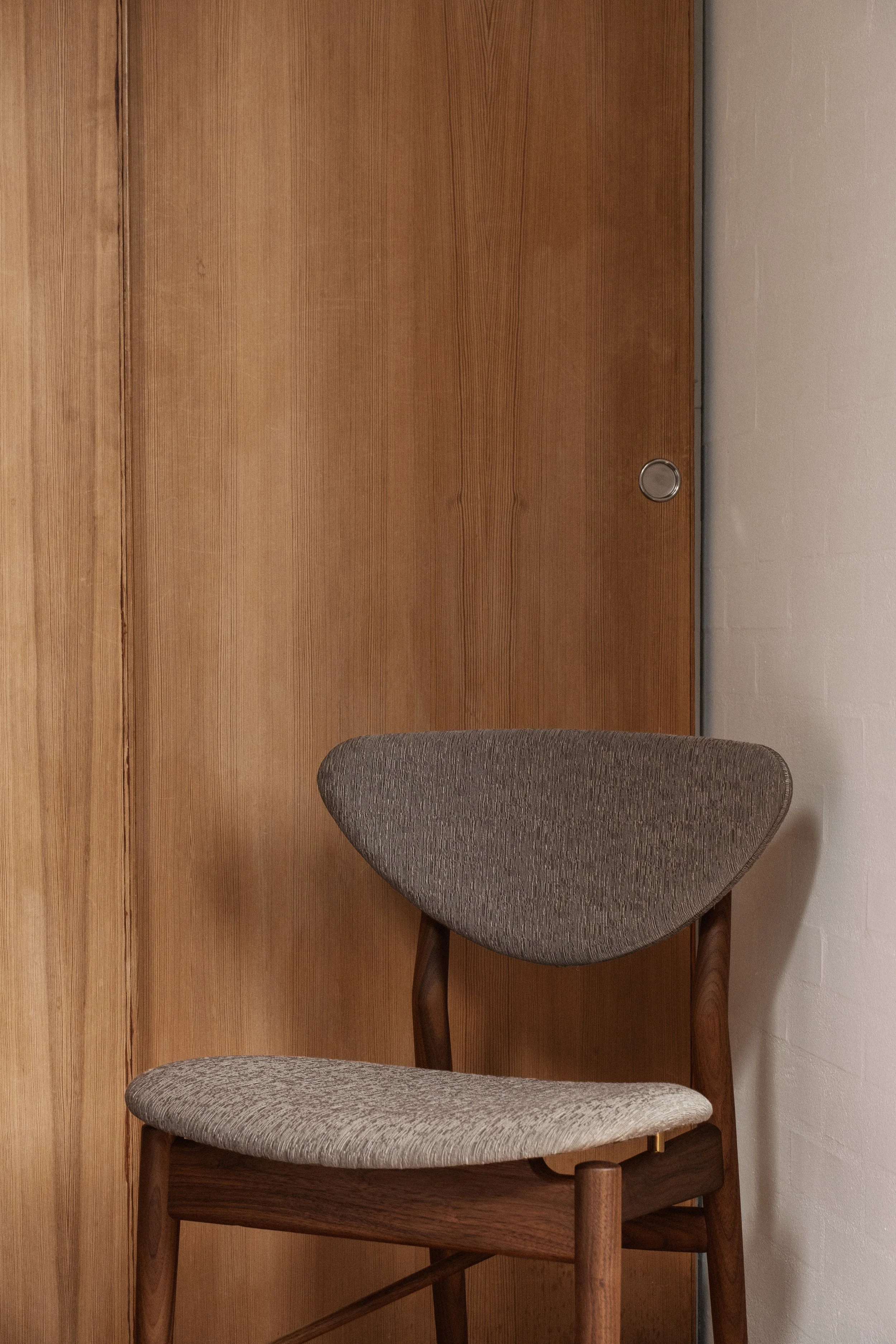
108 Chair in Beda from House of Finn Juhl
66% cotton 34% nylon
PROS
Very Durable
Low Maintenance
Affordable
Versatile Textures
Fade Resistant
Stain and Spill Resistant
CONS
Can Feel Stiff
Not as Breathable as Natural Materials
Can be Static
Synthetic Texture
USE
High-traffic
If you have kids or pets
Furniture in sunlit rooms
Outdoors
OLEFIN (POLYPROPOLENE)
Olefin is a durable fabric made from thermoplastic polymer that comes from oil and natural gas production. The textile provides benefits like stain and moisture resistance and easy clean-ability. I would avoid polypropylene for a high-comfort indoor environment. If you need something hard-wearing with easy maintenance, outdoors or low cost olefin works great.
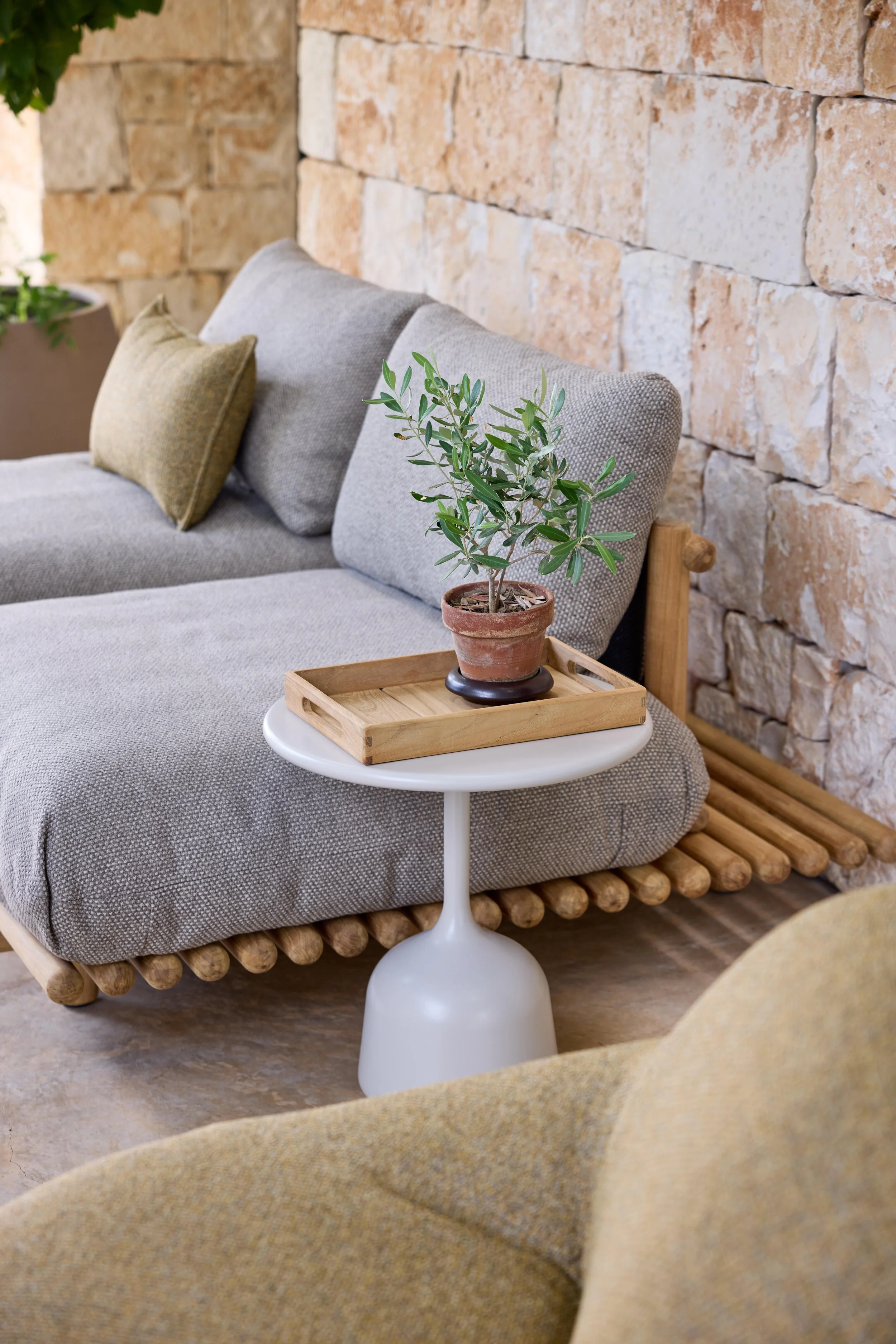
Sticks Sofa in Natté from Cane Line
100% Polypropylene
PROS
Stain Resistant
Moisture Resistant
Easy Maintenance
Durable
UV Resistant
Colorfast
CONS
Can Feel Stiff
Low Heat Resistance
Can Get Static
USE
If you Have Kids or Pets
Outdoors
High-Traffic Areas
Where High-Comfort Doesn't Matter
WEAVES & STRUCTURES
Upholstery does not only revolve around materials, but also different weaves and structures.
Each weave has unique qualities and aesthetics.
CHENILLE
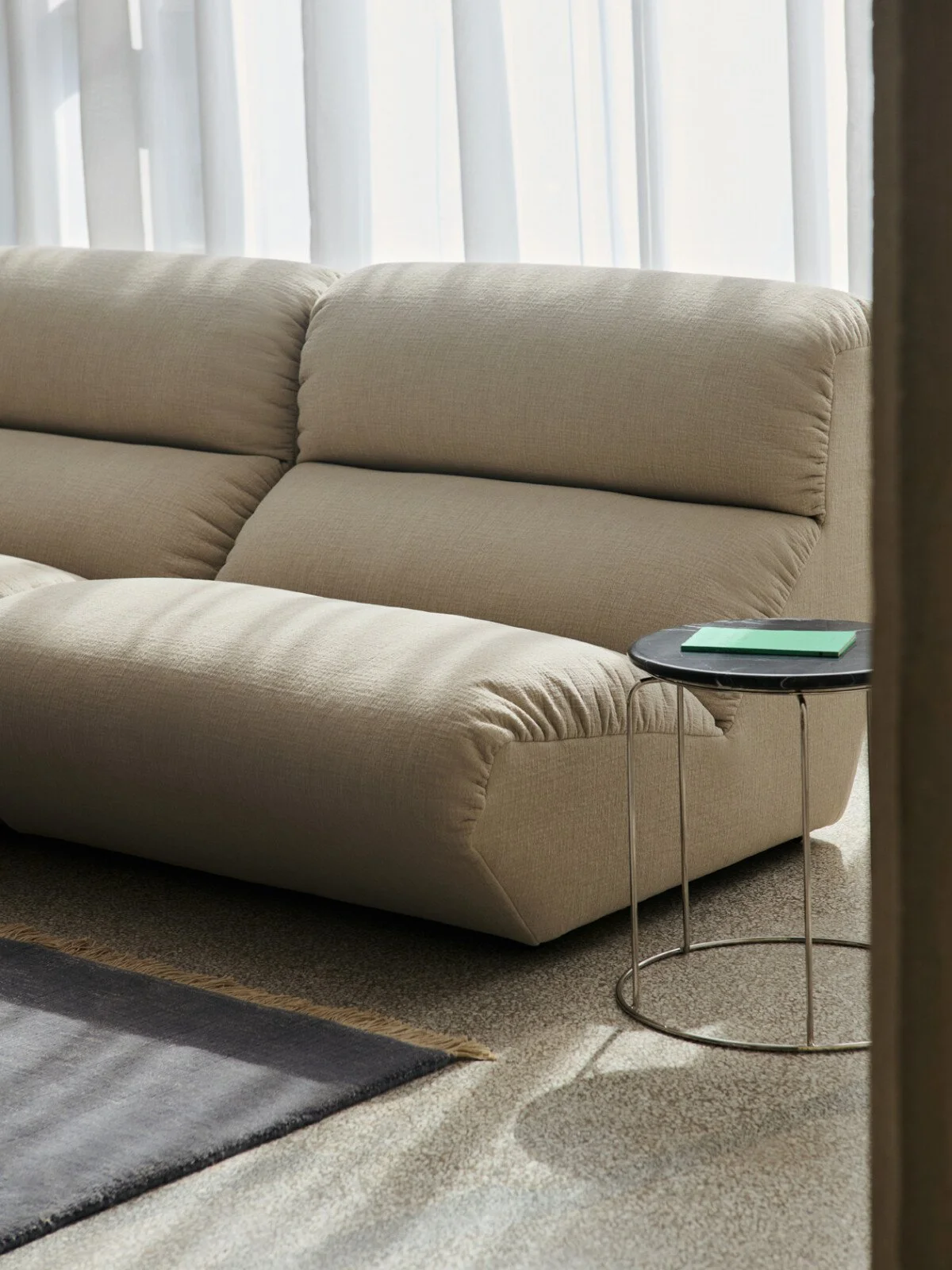
Chenille is most commonly made from cotton, but can also be made from other synthetic materials. It has a soft and cozy texture, making any furniture look comfortable. It can remind you of velvet, but it often has a bit more of an irregular surface. Chenille is highly durable which makes it a great choice for soft upholstered furniture.
Hi-Lo from &Tradition in Cifrado
42% recycled polyester 27% viscose 24% recycled cotton 7% linen
VELVET
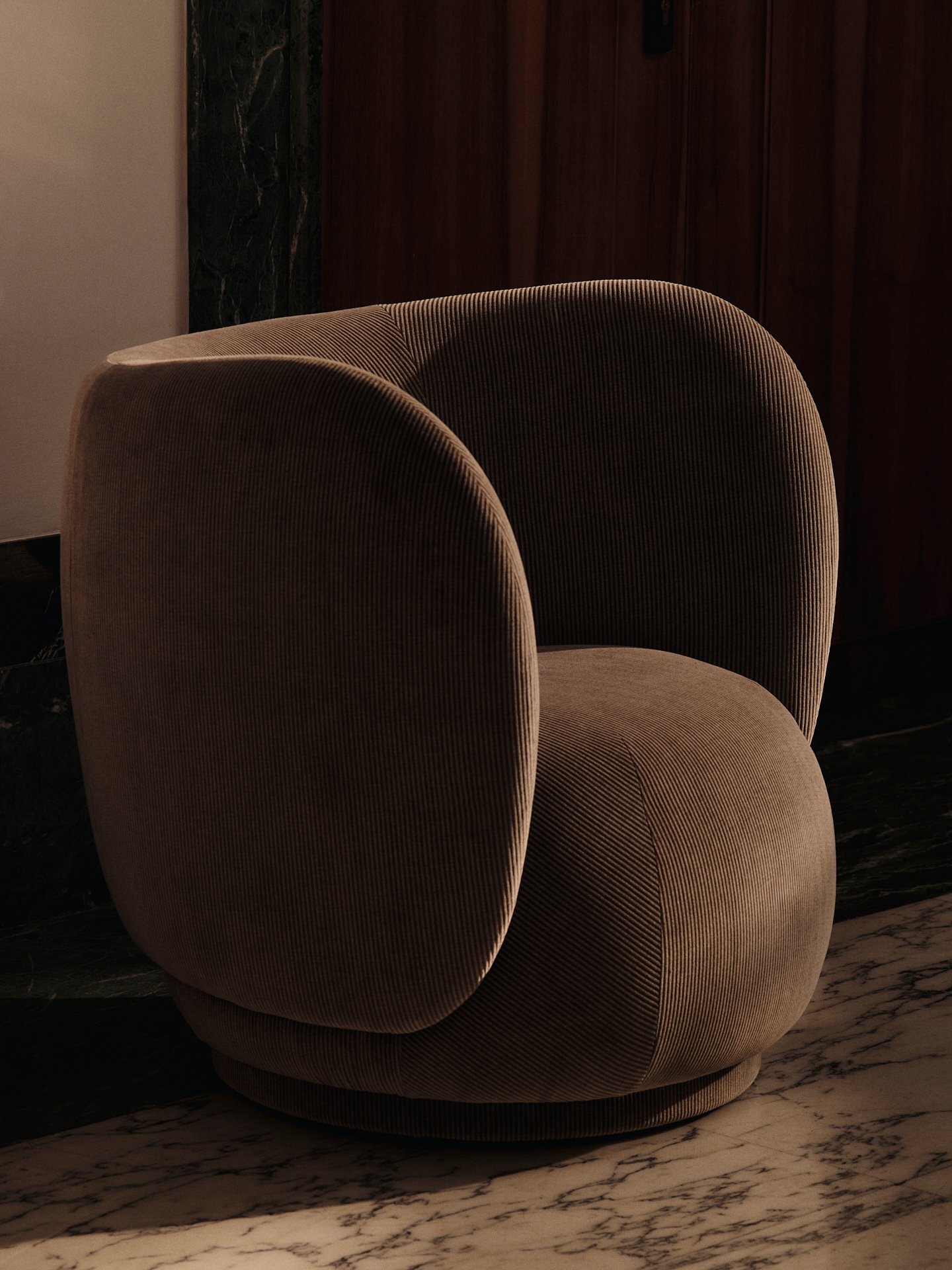
Velvet textiles are produced from wool and polyester. When created small loops are knitted and then cut open, creating woolen piles that give the textile its gorgeous sheen. Velvet is known for its luxurious and refined expression.
Rico Lounge Chair in Devoré Velvet from Ferm Living
100% cotton
BOUCLÈ
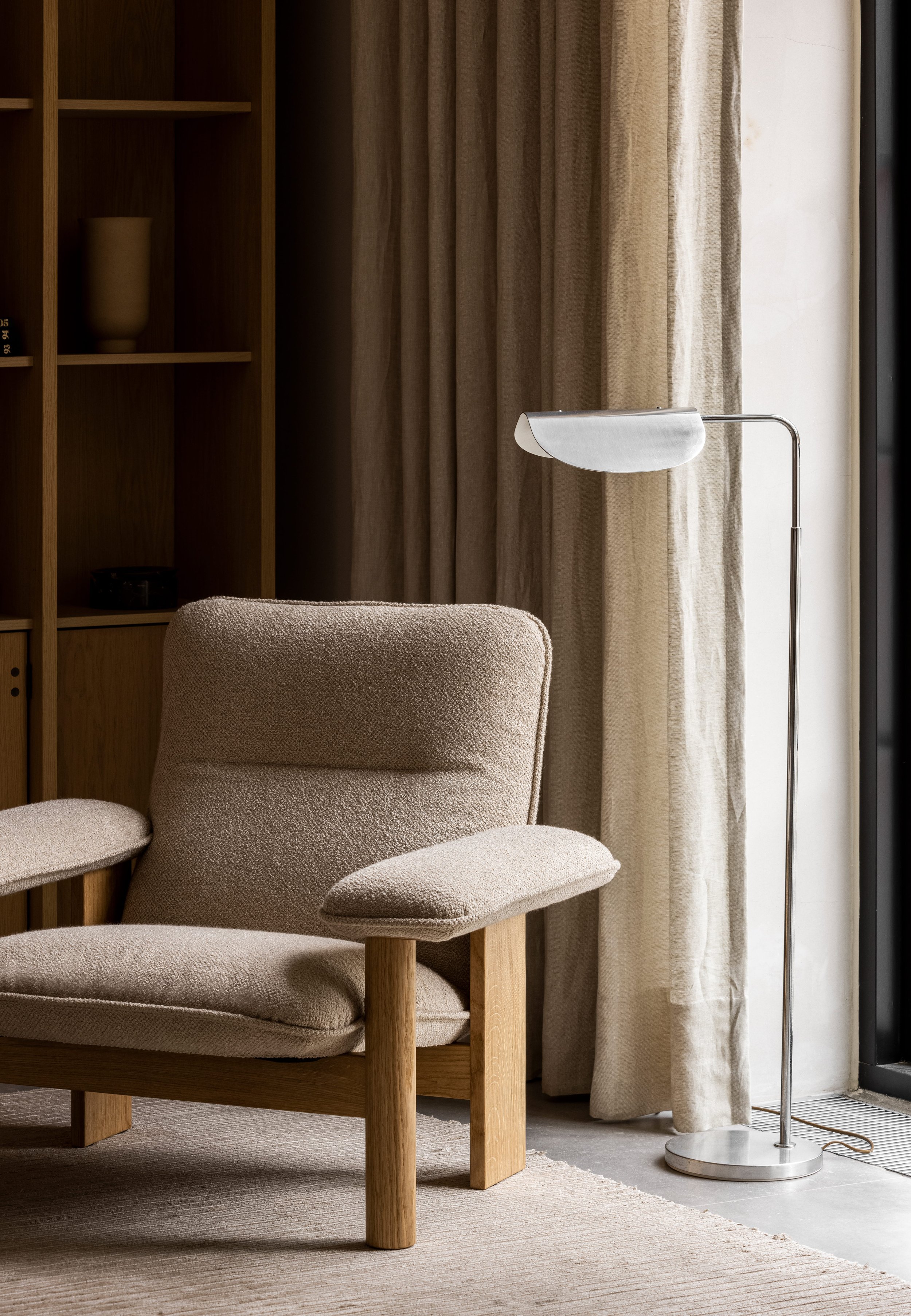
Bouclè is often made from synthetic materials for durability, or wool or cotton for more comfort. The characteristics of a Bouclè fabric is its looped yarn and irregular texture that gives it a rich tactility and visual interest. It varies from more compact and tailored to more large-loop structures.
Brasilia Chair from Audo in Audo Bouclé 02
51% Polyacrylic, 31% Viscose, 18% Polyester
